
Retiring to Aiken Horse Country: A Guide for Equestrians Planning the Next Chapter
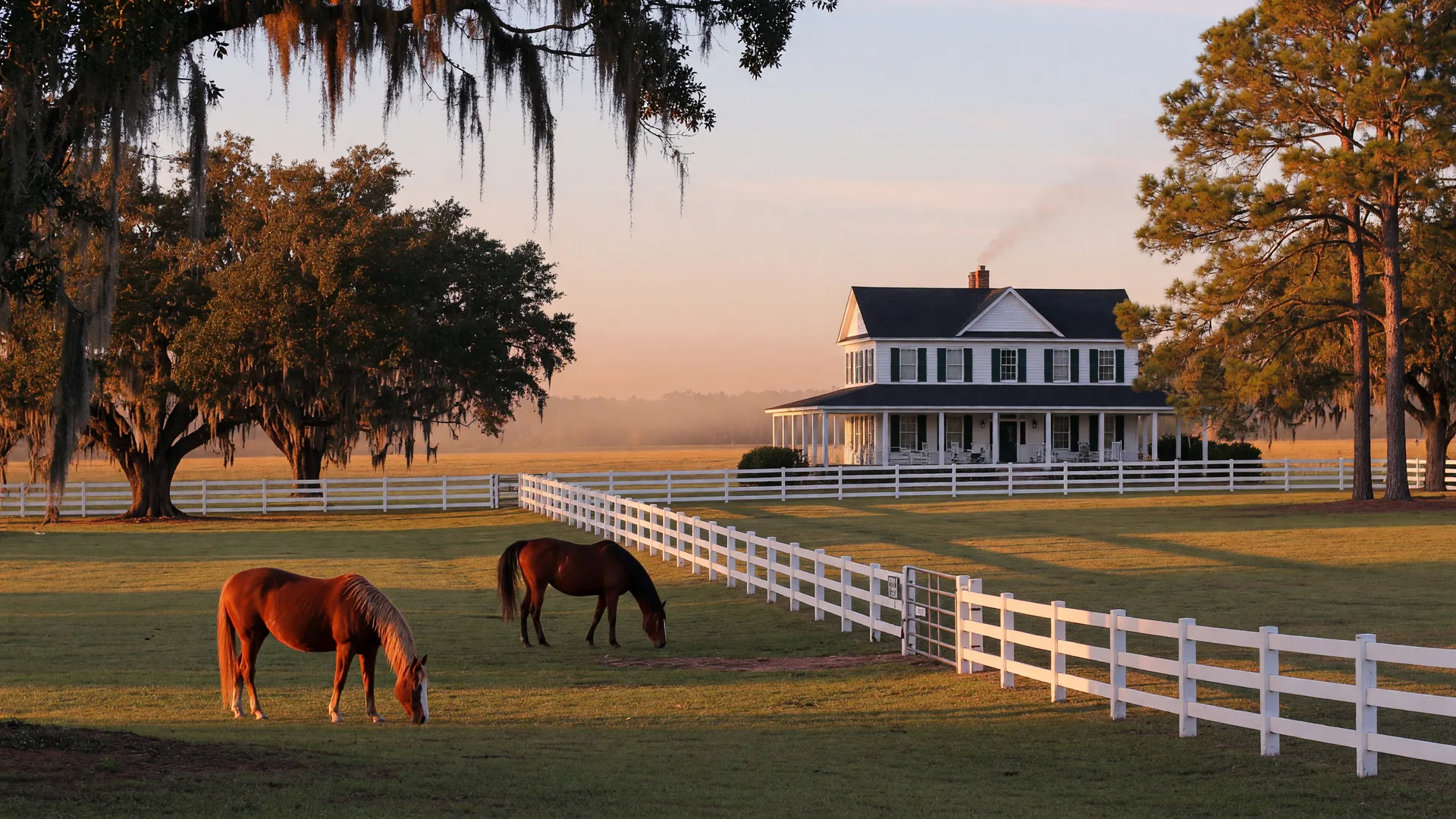
There is no stage of life where a horse person outgrows Aiken. For more than a century this town has been the place riders come for the winter, and a great many of them eventually stop going home. I have spent more than 20 years helping buyers and sellers across Aiken, North Augusta, and the wider CSRA, and some of the happiest moves I have witnessed were made by couples in their sixties who sold a big northern farm, trailered two horses south, and found that retirement in horse country was everything they hoped. This guide covers what actually matters when you plan that move: the community, the neighborhoods, the property features, and the honest questions worth asking before you sign.
The retirement quarter at a glance
Mild zone 8b winters that keep horses in work twelve months a year, a Winter Colony community of seasonal and full-time horse people that dates to the 1880s, gated equestrian neighborhoods from Three Runs to Woodside, and a support network of vets, farriers, and barns built for year-round care. See what the wider equestrian calendar looks like before you decide how involved you want your retirement to be.
A town that has been planning your retirement for a century
Aiken's identity as a retirement destination is not a new marketing idea. The Winter Colony began in the 1880s, when wealthy families from the Northeast shipped horses south by rail to escape their winters and ride on ground that drained overnight. Over the decades the pattern repeated itself generation after generation: riders arrived for the season, fell for the place, and more and more of them simply stayed. That is why so much of Aiken's horse infrastructure was built by and for people who were not here full time, and it is why the town understands the retired rider's needs better than almost any horse community in the country.
It also means you will never be the first one to make this move. The woman riding beside you in Hitchcock Woods this morning may have wintered here for thirty years before going full time. The farrier who trims your horse has a barn full of retired riders' names on the calendar. The routine is well worn, and that is a comfort: this is a town that already knows how to welcome you.
What retiring to horse country really looks like
The headline benefit is the riding. Aiken sits in USDA zone 8b, with average winter lows mild enough that horses stay in work year-round and first frost arriving in early to mid-November rather than September. There is no six-month shutdown, no arena buried in snow, no careful rationing of the few good riding weeks. Your retirement horse stays fit, your joints stay loose, and the trails stay in front of you every month of the year.
The day-to-day is gentler than most people expect. Walk outside with coffee, watch the horses in the paddock, do a light barn routine, and ride when the mood strikes, in the morning before the heat or the evening as the light turns gold. The community calendar adds texture without demanding anything of you: hounds in the Woods in winter, polo at Whitney Field in spring, schooling shows through the year at the venues that make Aiken famous. You can be ringside every weekend or never leave your own pasture, and both are perfectly respectable.
The honest version, and I always give it, is that a horse property is still work. There are mornings, there is manure, there are fence lines to patrol and waterers to check. The difference in retirement is that you choose the scale, which is exactly why choosing the right property matters so much. I wrote a fuller picture of the day-to-day reality of living on an Aiken horse property and a realistic look at what ownership actually costs that are worth reading before you decide how much land you want.
Where the equestrian neighborhoods fit a slower pace
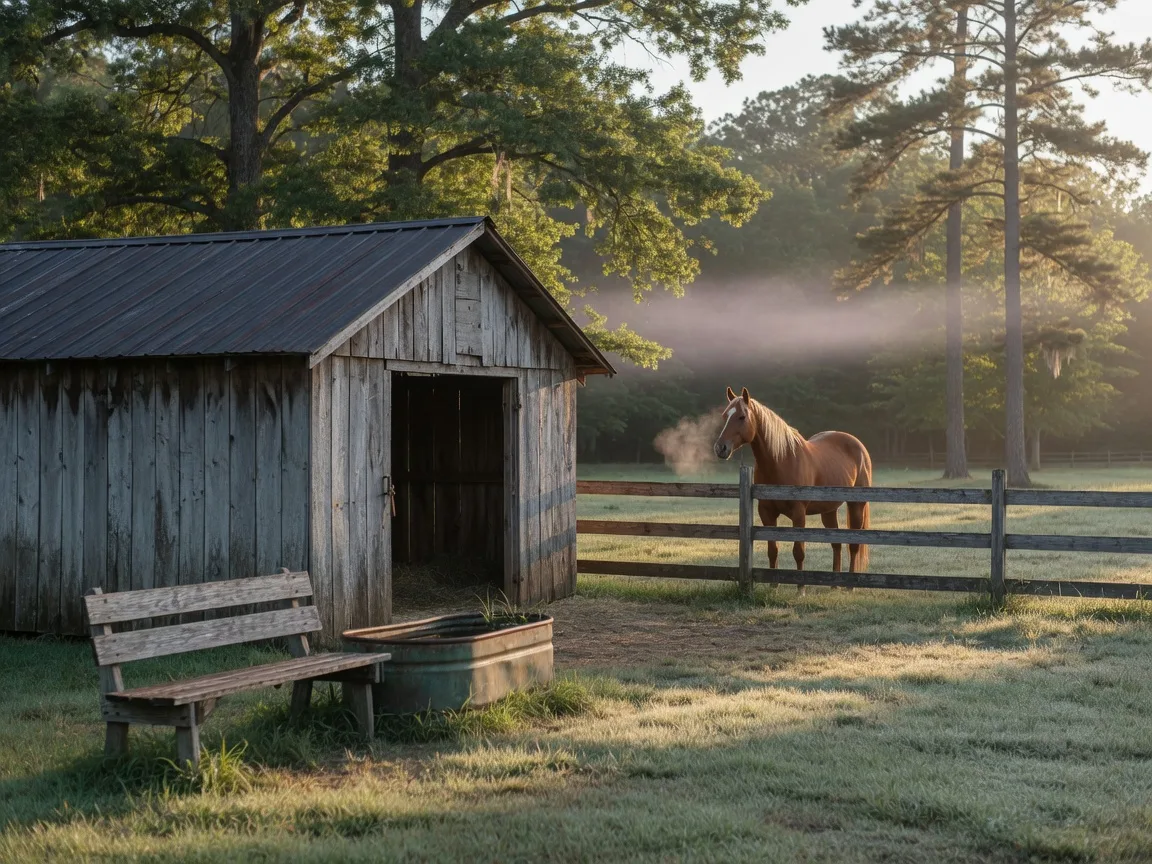
One of the smartest moves retiring horse people make is trading the upkeep of a large private farm for the shared infrastructure of an equestrian community. Three Runs Plantation, the gated community west of town, spans roughly 2,400 acres with 30 miles of private trails and two competition complexes, so you can keep two horses, ride every day in company, and never mow a pasture you cannot keep up with. The southside communities around Bridle Creek and Anderson Farms offer the same spirit at a smaller scale, with community riding rings and trail networks maintained for everyone.
Woodside Plantation, a gated active-lifestyle community at the edge of town, has drawn empty nesters and retirees for years with its golf, wellness amenities, and direct access to the Hitchcock Woods trail system. Its equestrian section, Anderson Farms, adds a community barn, a riding ring, and trails, which makes it a genuine candidate for someone who wants country amenities plus an active social life. A bit further out, the historic Horse District offers something different again: Winter Colony cottages with backyard barns on unpaved lanes, where you can ride out your own gate and be in the Woods in minutes. The Paddocks and Fox Hollow are two more southside names worth knowing, each with its own character.
One honest note for buyers who assume they want an age-restricted community: there is no strictly 55-and-over equestrian community in the Aiken area. The equestrian neighborhoods are all-ages, which in my experience is a strength, because the community is built around the horse rather than the birth certificate. Grandchildren ride, young trainers live next door, and newcomers of every age are welcomed into the same hunt, polo, and show circles. Savannah Lakes Village, about thirty miles to the northwest on Lake Thurmond, offers a more conventional lakefront 55-plus lifestyle if that is the priority, but it is not a horse community in the Aiken sense.
Property features that matter more after sixty
The property you choose in your sixties should be designed for your seventies. That sounds blunt, but it is the single best piece of advice I give retiring buyers, and it changes what we look at together. The barn should sit close to the house, with wide aisles, level thresholds, and no dark narrow corners. A single-story living floor, a low-threshold mudroom entrance, and a bathroom on the barn side of the house make the daily rhythm far easier. Automatic waterers in every stall and paddock, frost-free hydrants, and a heated wellhouse remove the hardest chores in the coldest weeks.
Fencing should be low-maintenance but safe: well-set posts with board or no-climb panels, gates that open and latch easily at horse height, and a dry all-weather sacrifice lot beside the barn so horses can come in when fields are wet. If you ride in a ring, keep it close and well-drained, with footing you do not have to drag yourself. If you trail ride, look for a property with road-free access to the community trail network or the Woods, because trailering every ride gets old quickly. My horse property checklist and the guide to the features that matter most in Aiken walk through every one of these in detail.
And it is worth saying plainly: you do not have to do it all yourself. Many retired owners keep exactly the horses they love and hire a part-time barn hand for the heavy daily work. A property with staff quarters, or simply a location that makes an experienced farm manager an easy hire, buys you years of comfortable riding. I have written a full guide to building your horse property team in Aiken, including what those arrangements typically cost.
Build your support circle before you need it
Aiken's winter influx means the best farriers, vets, and feed suppliers book out well ahead of the season, so do not wait until your shoe is loose to find your farrier. The town's support network is deep, and my guide to tack shops, farriers, and equine services is a good place to start building your list before the moving truck arrives. Line up your first veterinary visit, your trim, and your feed delivery in the same week you settle, and the transition will feel smooth instead of scrambling.
If you are shipping horses in, South Carolina requires a current health certificate and a negative Coggins test, and the state added enhanced herpesvirus safeguards worth knowing about in advance. My step-by-step guide to moving your horses to Aiken covers the paperwork and the first quiet days in a new barn, and my seasonal guide to your first year on an Aiken horse property maps the whole settling-in process month by month.
The financial questions that deserve straight answers
Most of the retiring buyers I work with are right-sizing, not downsizing in the usual sense. They are selling a sprawling property they no longer want to maintain and buying a smaller, finer Aiken farm that hands the trail network and the arena upkeep to the community. That trade, more land-centered upkeep for a location that does the work for you, is usually the core of the move. The comparison between established farms and raw land and the guide to right-sizing your acreage will help you decide how much land is genuinely useful at this stage of life.
There are practical tax benefits worth understanding before you budget. South Carolina is regularly ranked among the more tax-friendly states for retirees, Aiken's cost of living runs below the national average, and qualifying horse properties can carry an agricultural assessment that lowers property tax. My guide to land investment and agricultural tax benefits explains how those assessments work, and if you are selling an equestrian property on the other end of the move, the same principles that make an Aiken farm show well apply to whatever farm you are leaving behind.
Three questions to ask yourself before you buy
First, how much horse do you actually want to keep? A pasture of three aging geldings is a different retirement than one happily retired companion, and neither is wrong. Let the answer set your acreage, your barn size, and your daily routine, not the other way around.
Second, who handles the barn when you travel? The answer can be a trusted neighbor, a groom, a full-service boarding barn nearby while you settle, or a property with staff quarters. Whatever it is, establish it before closing day so the horses are never the reason you cannot leave. If boarding appeals while you get your bearings, my guide to boarding facilities in Aiken is a useful start.
Third, what will this property look like in fifteen years? Buy with the long view: flat, well-drained paddocks near the barn, minimal steep or wooded ground you will eventually fight, easy vehicle access for deliveries and the vet, and proximity to the vets, hospitals, and services you may need more of as the years pass. A property that is easy to live on today will still be easy to live on in fifteen years, and that is worth more than any square footage.
Aiken was built for this chapter of horse life. The Winter Colony proved it for more than a century, and every fall another wave of riders arrives to discover what those who came before them found: mild winters, sandy footing, a community that speaks your language, and a pace that suits the years ahead. Whether you are shipping two horses south next month or quietly building a ten-year plan, the first step is the same, and it is finding the property that will carry you through this season of life well.
Let me help you find the property that fits the next chapter, not the one from twenty years ago.
From gated equestrian communities to Horse District cottages with backyard barns, I know which properties keep the chores light and the riding close. I also love working with out-of-state sellers right-sizing their current farm, and I can handle both sides of your move.
Schedule a Consultation