
The Winter Colony Season: Aiken's Most Important Time of Year
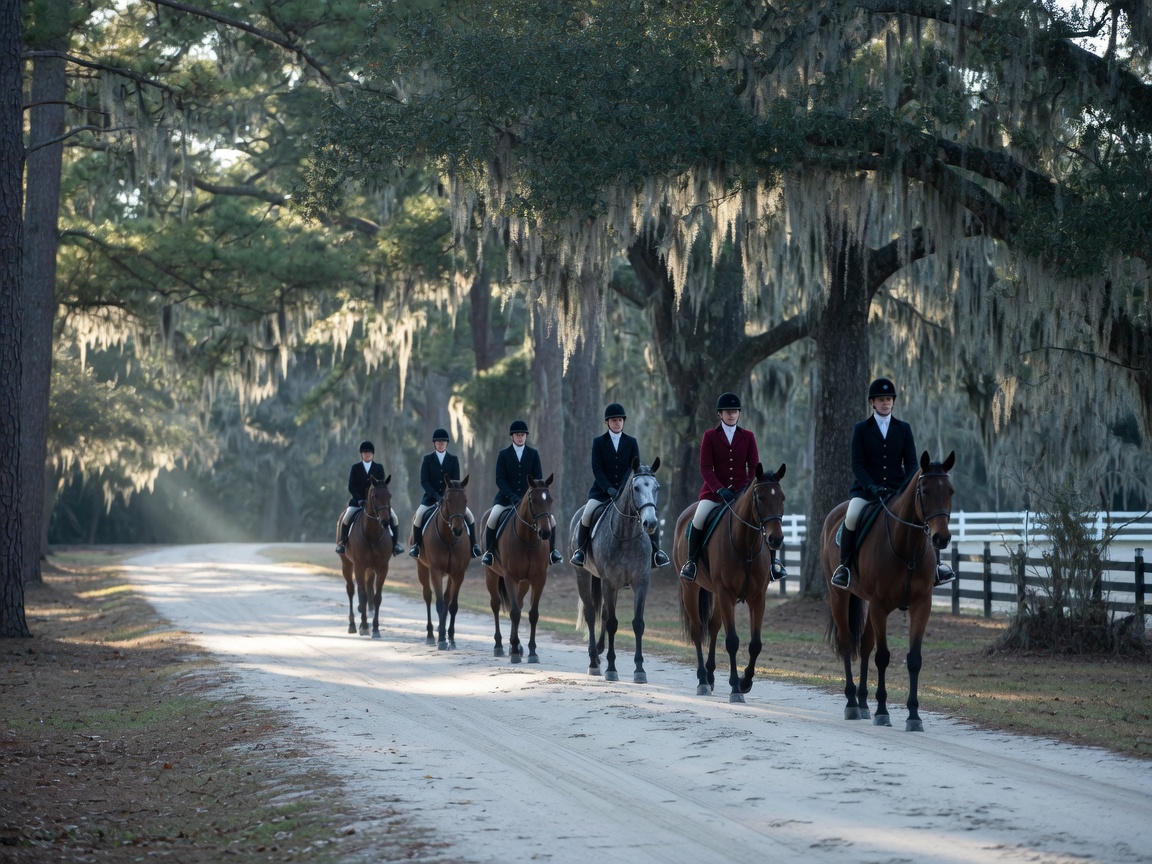
Every October, something shifts in Aiken. The mornings grow cooler, the light sharpens, and the town begins to fill with horses, horse trailers, and the people who follow them. This is the start of the Winter Colony season, the defining tradition of Aiken's equestrian identity, and the period that has shaped this town's culture, economy, and real estate market for nearly a century and a half. Understanding the Winter Colony is not optional for anyone buying or selling horse property in Aiken. It is the single most important factor in how the market works.
What the Winter Colony is
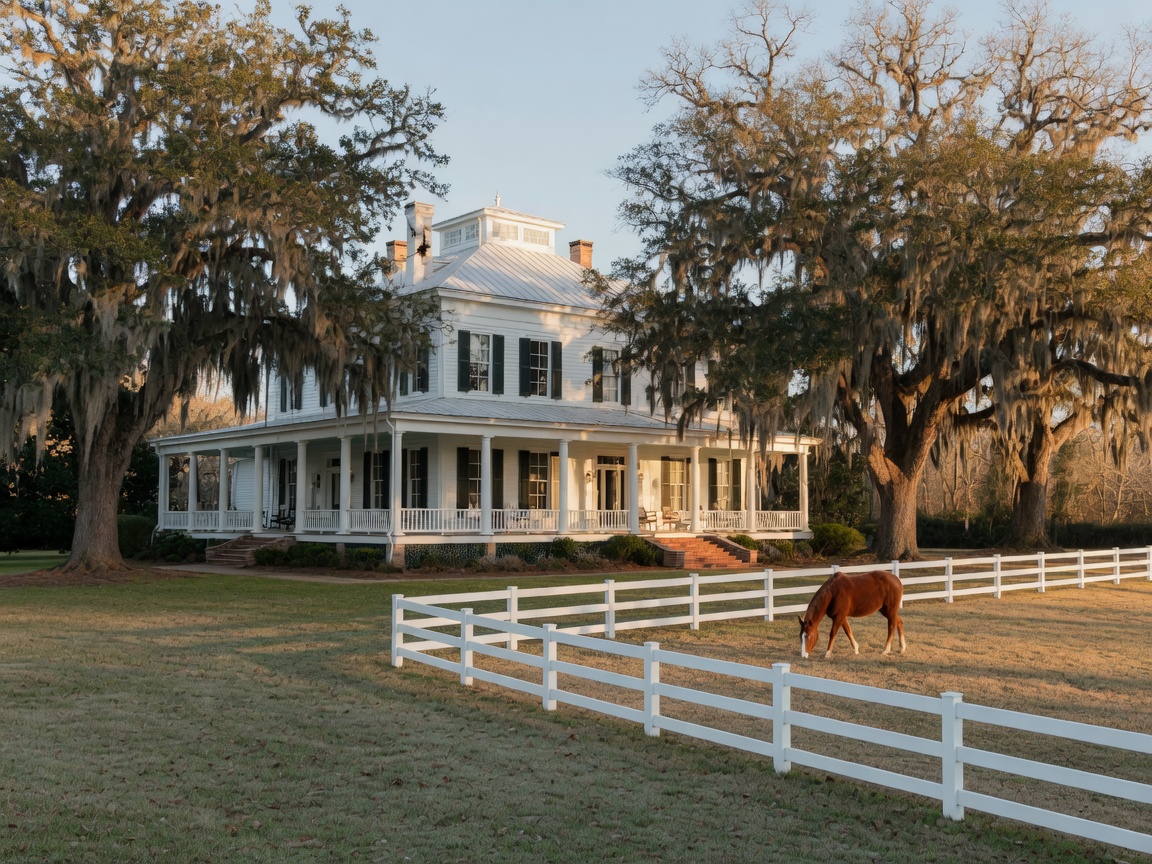
The Winter Colony began in the 1880s when wealthy Northern families — the Whitneys, Hitchcocks, Vanderbilts, and Phippses among them — discovered that Aiken's mild winter climate, well-drained sandy soil, and relative seclusion made it an ideal place to spend the colder months training and keeping horses. They didn't just visit; they built. Grand estates went up along the sandhills, each one designed around equestrian facilities: center-aisle barns, riding rings, paddocks, and direct access to the trails and open land that would eventually become Hitchcock Woods.
The tradition stuck. Unlike many Gilded Age social customs that faded with time, Aiken's Winter Colony evolved and endured. Today, the season runs roughly from October through April, peaking between November and March. During those months, Aiken's population swells with seasonal residents, professional riders, trainers, and horse owners who maintain properties here and return each year to ride, compete, and participate in one of the most concentrated equestrian social calendars in the country.
The rhythm of the season
The Winter Colony season has a rhythm that anyone who has lived through it recognizes immediately. October brings the first fox hunts and the return of regular trail rides through the Woods. November marks the start of the formal social season: hunt balls, dinners, and the first polo matches of the fall. December and January are quieter but still active, with hunter pace competitions, dressage schooling shows, and the steady hum of barns operating at full capacity.
February and March are when the season reaches its peak. The USEF Aiken Classic Series brings competitive riders from across the East Coast. The Aiken Triple Crown — the Trials, the Spring Steeplechase, and Pacers & Polo — draws thousands of spectators and transforms the town into a social epicenter. Hunt Week fills the calendar with morning rides and evening gatherings. By April, the season winds down, the summer residents depart, and Aiken returns to its quieter, year-round community.
Why the season matters for property buyers
The Winter Colony season is not just a cultural event; it is the primary driver of Aiken's horse property market. Demand peaks during the season itself. Buyers who visit during the Steeplechase in March or attend a Sunday polo match at Whitney Field in October are often already evaluating properties. They see the trails in use, the barns full, the social calendar packed, and they understand what they are buying into in a way that a July visit simply cannot convey.
This has measurable effects on pricing and inventory. Listings that come to market in late fall or early spring, timed to capture the Winter Colony audience, tend to sell faster and closer to asking price. Properties in the Historic Horse District, along the Wagener Road corridor, and in communities like Three Runs Plantation and New Bridge Polo see the most seasonal activity. Buyers who wait until summer may find fewer options and less competitive pricing, though the off-season can occasionally surface motivated sellers.
Key Winter Colony Events
- October: Fall polo begins at Whitney Field; fox hunting season opens; the social season kicks off with hunt balls and seasonal gatherings
- November–December: Active fox hunting; dressage and hunter pace competitions; Winter Colony social events and holiday gatherings
- January–February: USEF Aiken Classic Series; hunter/jumper competitions; continued fox hunting; preparations for the Triple Crown
- March: Aiken Triple Crown — Trials, Spring Steeplechase, Pacers & Polo; Hunt Week; peak social season
- April: Season winds down; spring polo continues; transition to the quieter summer months
What it feels like to live through it
For year-round residents, the Winter Colony season is both exhilarating and demanding. Barns that operate with a handful of horses in summer suddenly support thirty, forty, or more. Trailer traffic on the roads increases significantly, especially along Hitchcock Parkway, Silver Bluff Road, and the Wagener Road corridor. Trail riding in Hitchcock Woods goes from solitary to social; on a busy Saturday morning during the season, you might pass fifty riders in two hours.
The social calendar fills fast. Between fox hunts, polo matches, horse shows, clinic weekends, and the endless rotation of dinners and gatherings, it is possible to attend an equestrian event every night of the week from October through March. For many horse owners, this is precisely the point. Aiken's Winter Colony offers something that no other horse community in the Southeast can match: a fully realized equestrian lifestyle, not as an aspiration or a weekend hobby, but as a daily reality woven into the fabric of the town.
The trade-off is infrastructure. During the season, Aiken's roads, veterinary clinics, farrier schedules, and boarding facilities operate under significantly increased load. Horse owners who are new to the area quickly learn that booking a vet appointment in February takes longer than in July, and that the best farriers are scheduled months in advance. Planning ahead is essential, and understanding the seasonal rhythm helps buyers set realistic expectations for what year-round horse ownership in Aiken actually looks like.
How the Winter Colony shaped Aiken's properties
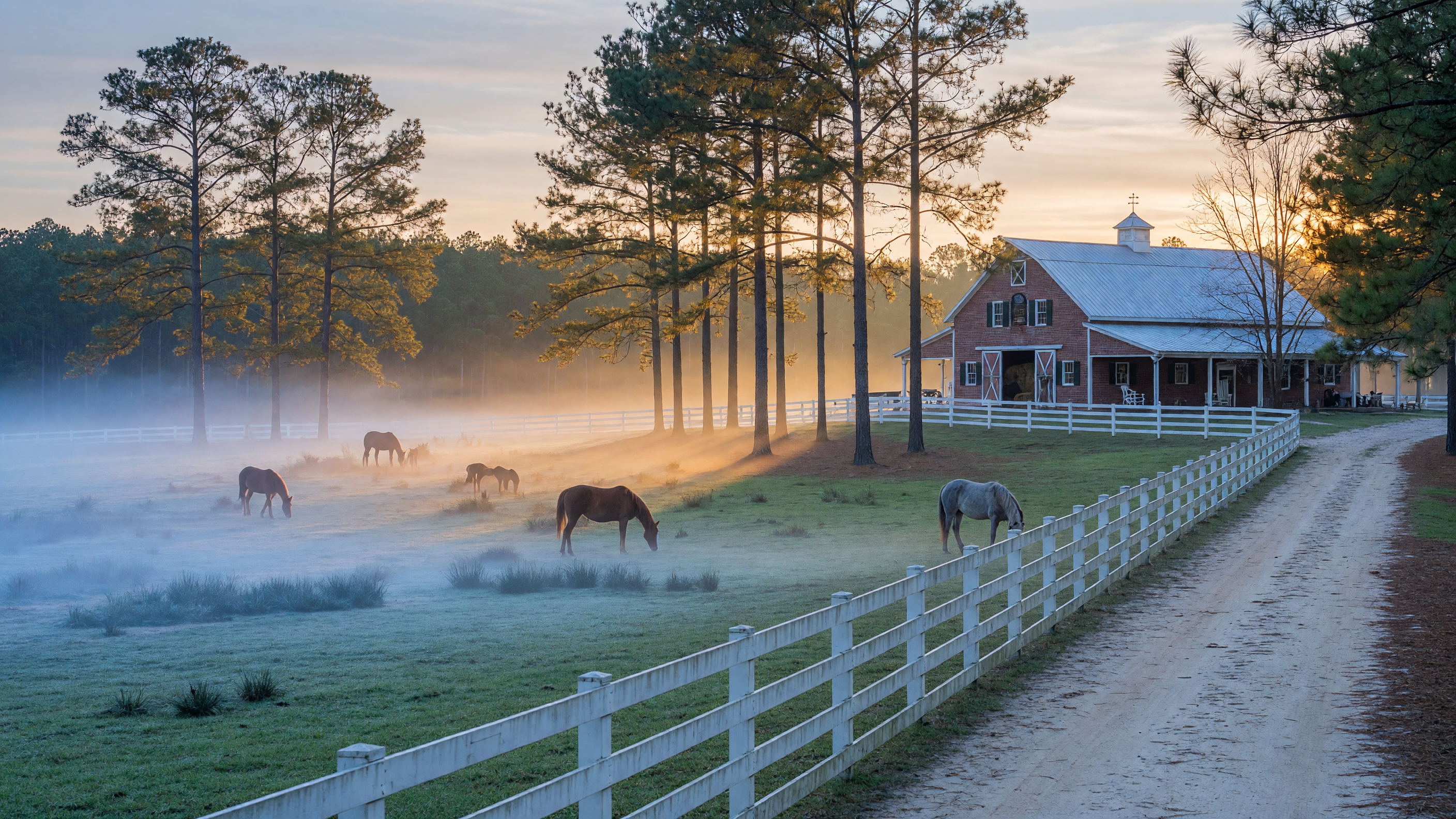
The properties that define Aiken's horse country today are direct descendants of the Winter Colony tradition. The original estates were built to support large numbers of horses over extended stays: multiple barns, extensive paddock systems, groom quarters, and carriage houses. As these estates were subdivided over the decades, the resulting properties retained that equestrian DNA. A typical Aiken horse property, whether it's a five-acre lot in Southside Aiken or a forty-acre parcel along Wagener Road, was originally designed or adapted to serve riders who lived on-site for months at a time.
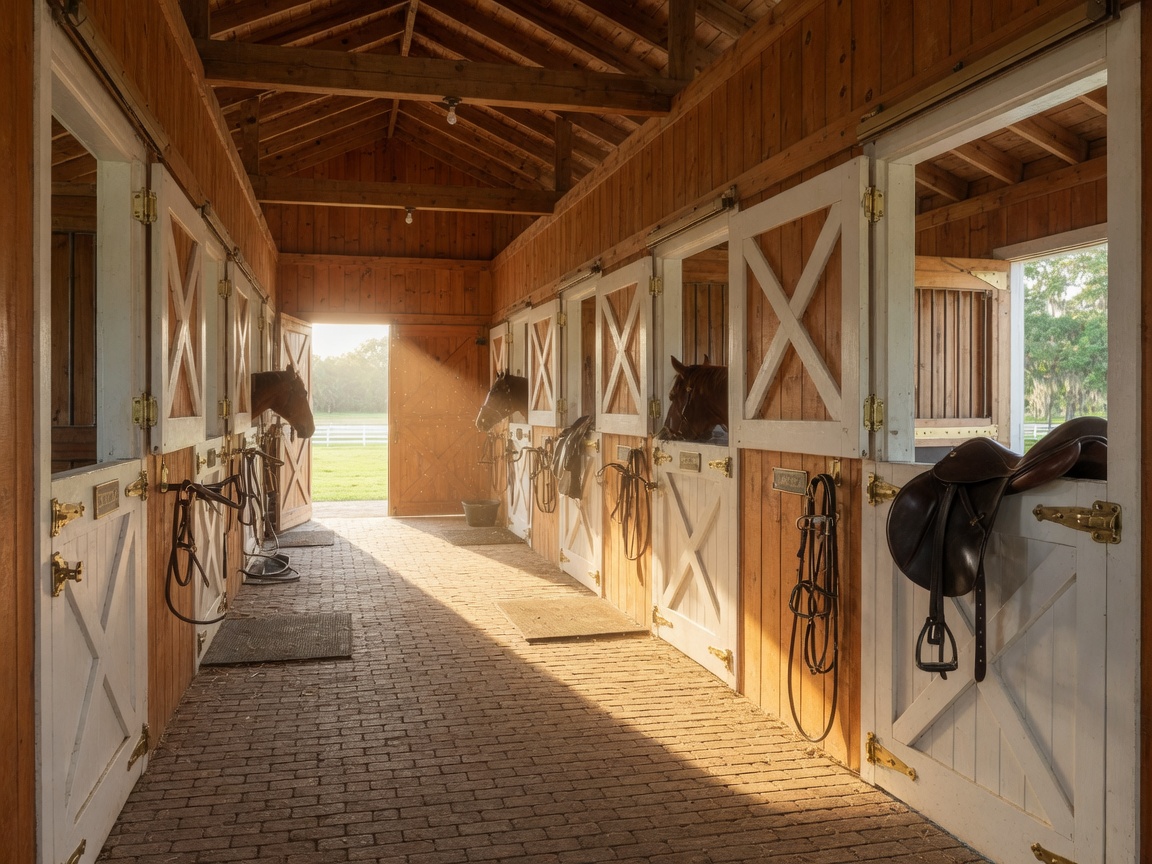
This heritage shows up in the details. Aiken barns tend to be built with ventilation as a priority, a design instinct inherited from the open-aisle, cupola-topped barns of the Winter Colony era. Fencing is predominantly four-board or three-board wood, chosen for visibility and safety by riders who trained serious horses on these properties. Tack rooms are oversized by national standards. Wash stalls are standard, not optional. These features aren't upgrades; they're the baseline that the Winter Colony established and that modern buyers have come to expect.
For sellers, understanding this heritage is a marketing advantage. A property that speaks to the Winter Colony tradition — a barn designed for full-season use, a property with direct trail access, a home that accommodates the social calendar — resonates with buyers who are specifically seeking the Aiken lifestyle, not just a house with acreage. The difference matters at the listing level, and it matters in the negotiation.
The summer question
Buyers sometimes ask: what about summer? Aiken's summers are hot and humid, and the Winter Colony population drops significantly from June through September. The trails are quieter, the social calendar thins, and many seasonal residents close up their Aiken properties and return north. For some buyers, this is a drawback. For others, it's the appeal.
Year-round Aiken horse owners will tell you that summer has its own rhythm. Mornings start early, before the heat settles in. Trail rides happen at dawn. Barn work is done by ten o'clock. Afternoons are for the barn, the pool, or the porch. The pace slows, and the community tightens. The people who stay through summer are the ones who truly know Aiken, and there is a loyalty and depth to those relationships that the seasonal crowd never quite experiences. Preparing your property for summer is a critical skill, and the horses that live here year-round are acclimated to the heat in a way that seasonal arrivals are not.
Buying during the season versus buying in the off-season
There is no universally right time to buy a horse property in Aiken, but there are meaningful differences between the seasons, and understanding them gives buyers an edge.
Buying during the Winter Colony season (October–March) gives you the full picture. You see the trails in use, the roads with trailer traffic, the barns full, the social calendar in action. You can attend a polo match, ride in Hitchcock Woods on a Saturday morning, and visit three properties in a single afternoon. The emotional context is powerful, and it helps buyers make decisions aligned with the lifestyle they're seeking. The downside: inventory is tighter, competition is higher, and sellers know they have an audience.
Buying in the off-season (May–September) means fewer competing buyers and potentially more negotiating leverage. Sellers who listed during the season and didn't close may be more flexible on price. Properties sit on the market longer, and there's less urgency. The trade-off is that you're seeing Aiken at its quietest. The trails are empty, the barns are half-full, and the social infrastructure is dormant. It takes imagination to picture the March Steeplechase when you're standing in a July pasture. Both approaches work; the key is knowing what you're buying into.
The year-round perspective
After more than twenty years of helping buyers navigate Aiken's equestrian real estate market, the most important advice I give is this: buy for the full year, not just the season. The Winter Colony is magnificent, but you will also live through July. The property that supports your horse program in January needs to support it in August, too. Barn ventilation, water infrastructure, shade, drainage, and fencing all need to perform year-round. The lifestyle you're buying into is twelve months long, and the best properties are the ones that work in every season.
The Winter Colony tradition is what draws most people to Aiken. It is the hook, the dream, the image of riding through Hitchcock Woods on a crisp November morning with thirty of your closest friends. That image is real, and it is extraordinary. But the Aiken that matters most is the one that exists between seasons: the quiet mornings, the year-round neighbors, the barn routine that anchors daily life. The Winter Colony built this town, and the people who stay make it a community.
Timing matters when buying a horse property in Aiken. Let's find the right moment for you.
Whether you want to experience the Winter Colony season firsthand or you're ready to negotiate in the off-season, I can help you navigate the market at the right time for your situation.