Understanding the True Cost of Owning a Horse Farm
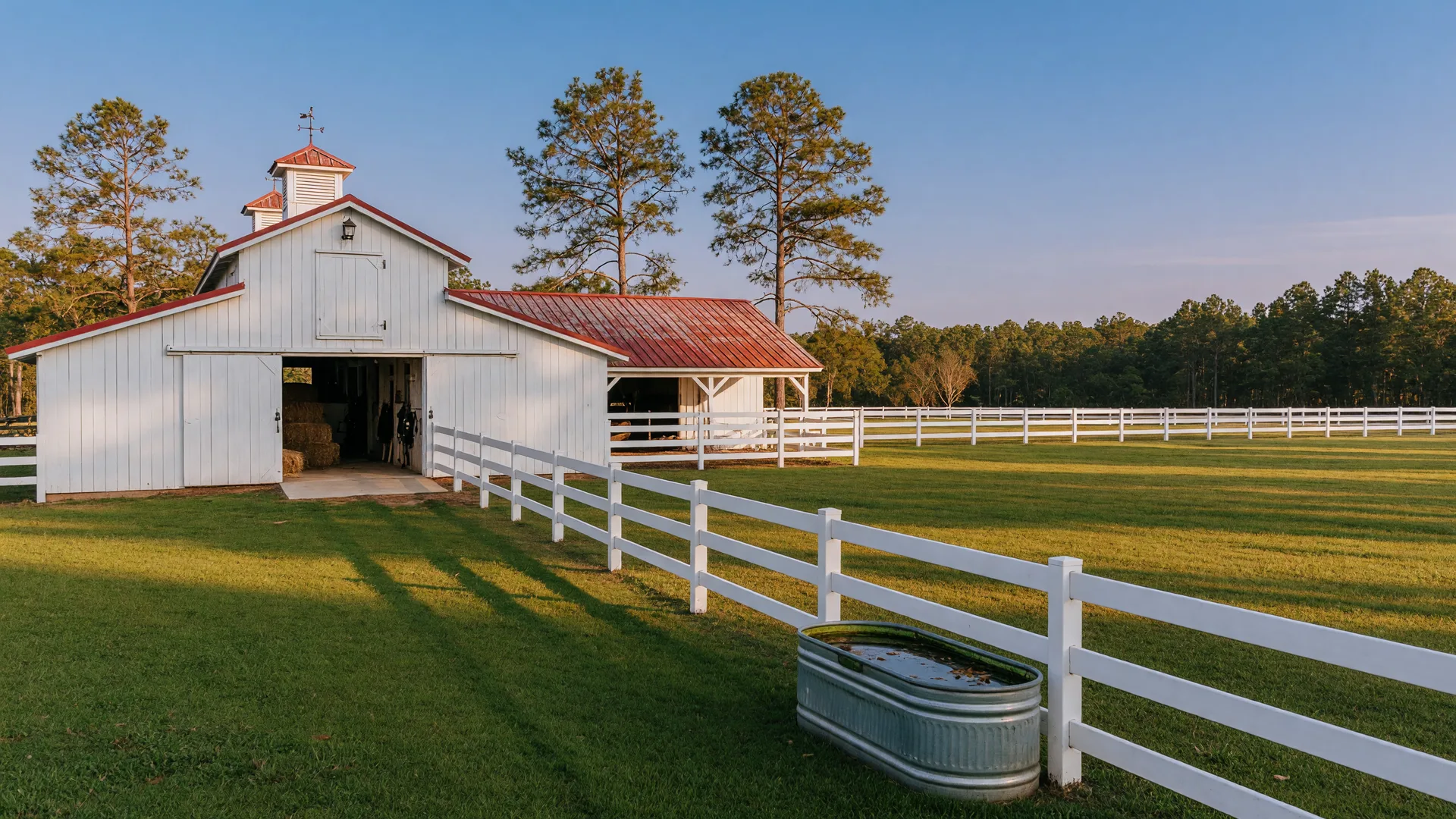
What does it really cost to own a horse farm? The purchase price is only the beginning. The true cost is the purchase price plus a permanent stream of upkeep: barn and fencing maintenance, pasture care, insurance, utilities and water, and the repairs that always arrive unannounced. This guide walks through each cost category so you can build an honest budget, and it points you to the local equine professionals who can give you real numbers for your specific property. In more than 20 years of CSRA real estate, I have seen buyers succeed when they budget for the farm as a living system, and struggle when they treat it like a house with a barn attached.
The farm budget at a glance
A horse farm is a bundle of systems that all need care: the barn and its roof, the fencing around every paddock, the pasture underfoot, the well and septic, the insurance that protects it all, and a reserve for the unexpected. Each category is a recurring line item, not a one-time cost. For a deeper dive into the numbers behind land, barn, and everyday care, my guide to the real cost of owning a horse property in Aiken is the companion piece to this one.
The purchase price is a starting point, not a total
When you buy a horse farm, the price you pay buys you a collection of aging structures and systems: a barn, fence lines, gates, a well, a septic system, and pasture that needs management through every season. None of it stays new on its own. The buyers who do best in Aiken are the ones who build a line item for the property's ongoing care into their budget before they make an offer, not after the first broken fence board. That is why I always encourage a thorough due diligence process and a generous budget, because the condition you buy in sets the size of the bills that follow.
Financing is part of the picture too. Horse properties often involve land, barns, and acreage that appraise differently than a standard home, so the mortgage terms deserve their own scrutiny. My guide to financing a horse property in Aiken covers what buyers should expect from lenders and appraisers before they commit.
Barn and fencing maintenance: the structures that never stop aging
The barn is the most expensive structure on most farms, and it is a perpetual maintenance project. Roofs need repair and replacement, siding and trim need paint, stall boards get chewed and kicked, and electrical systems need to be safe for a building full of hay and horses. The humid Carolina climate accelerates all of it, so the barn that looked great at the showing will need attention within a few years. When you evaluate a barn, look at the things that cost real money to fix: the roof, the foundation, the stall walls, and the wiring. My guide to evaluating a barn walks through exactly what to check.
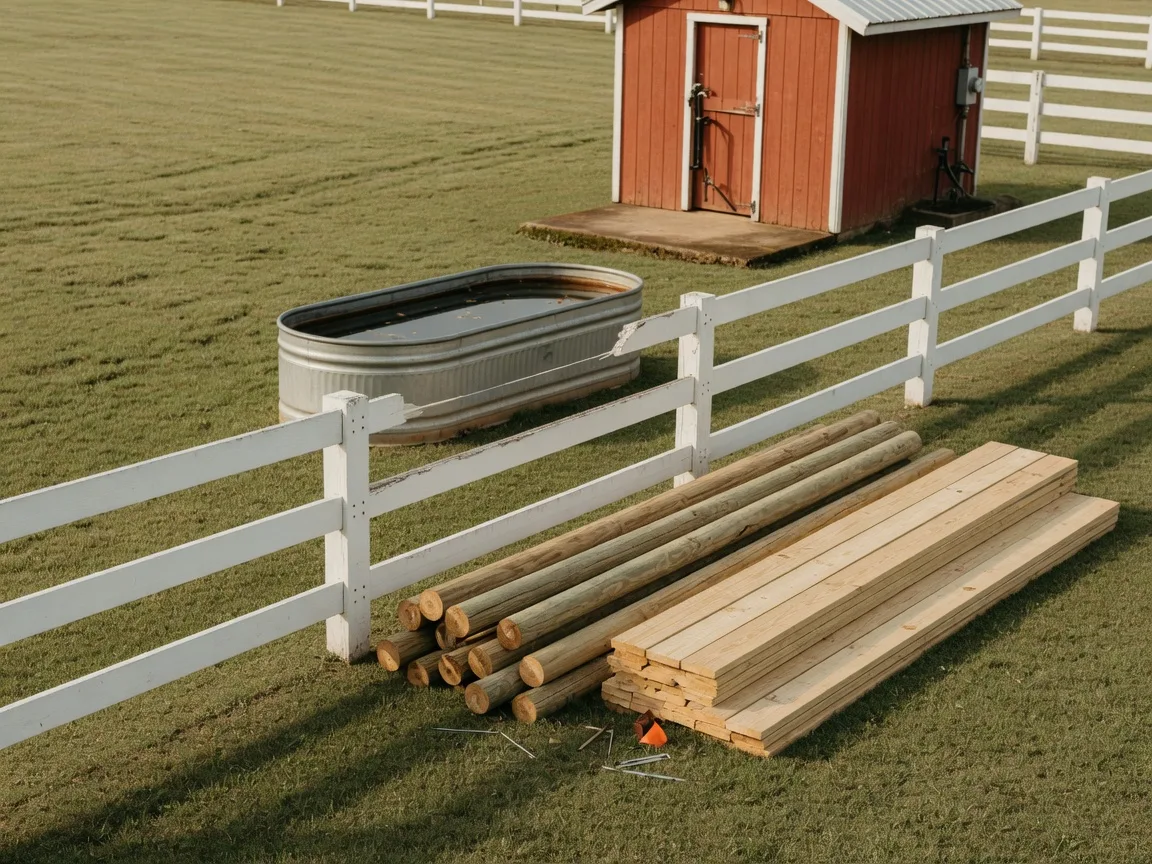
Fencing is the other big recurring line item. Wood rots, posts heave in wet ground, gates sag, and no-climb wire can rust or pull loose. On a farm with several paddocks, the fence line may run for miles, and it all needs inspection and repair every year. The choice of fencing material trades upfront cost against lifespan and maintenance, and my complete guide to horse fencing in Aiken compares the options honestly. Whatever you choose, budget for the upkeep, because safe fencing is not optional with horses.
Pasture management is a recurring line item
Pasture is not free grass; it is a crop, and it needs the same inputs as any crop. Soil testing tells you what lime and fertilizer the ground needs, seeding thickens thin stands, mowing keeps weeds down, and rotational grazing protects the grass from being grazed into dirt. In Aiken's sandy Sandhills soil, pasture management takes a particular approach, and my seasonal pasture management guide covers the local details. Budget for soil tests, amendments, seeding, and regular mowing, and remember that a healthy pasture is also a safety feature: it keeps horses off toxic weeds and out of mud. The plants to watch for are covered in my guide to toxic plants on Aiken horse properties.
Insurance: protecting the farm, the horses, and yourself
Insurance is one of the most underestimated costs of farm ownership, and one of the most important. A standard homeowners policy rarely covers a working barn, so you typically need farm or ranch property coverage for the structures, plus liability coverage that recognizes horses and the people who visit them. Many owners add equine liability, and owners of valuable horses often consider mortality coverage. Premiums vary widely with the property, the operation, and the horses, so the only honest advice is to talk to an agent who understands equestrian property. My guide to equine liability and insurance for Aiken horse property owners explains the coverage landscape in practical terms.
Utilities, water, and the cost of keeping everything running
A farm runs on utilities in ways a house does not. The barn needs electricity for lights, fans, and heated waterers; the well pump runs every time a trough refills; and the septic system serves the house and often a barn bathroom. In Aiken's climate, summer fans and winter tank heaters mean the barn draws power most of the year. Water deserves special attention: a well that tests clean and yields enough flow is the difference between an easy farm and a constant headache, and septic systems need regular care. My guide to water, wells, and septic on Aiken horse properties covers what buyers should verify before closing, because water problems are expensive to discover after the fact.
Budgeting for the unexpected
Every farm owner eventually meets the surprise bill: a blown well pump, a tree through a fence line, a barn roof leak, or a tractor repair. The farms that stay enjoyable are the ones whose owners keep a reserve for exactly these moments. A good rule of thumb is to treat the farm like the business it is, with a dedicated maintenance fund that gets replenished every month, not raided for other things. The seven items worth checking before you buy, from boundaries to water to permits, are laid out in my guide to seven things to check before buying a horse farm, and the year-round rhythm of upkeep is in my maintenance guide. Buying a farm with good bones and honest inspections is the cheapest insurance you can buy.
Where to get real numbers
No single figure fits every farm, which is why I am not quoting dollar amounts here. The true cost depends on the barn's age and condition, the fence materials and length, the pasture's health, the well and septic, and how many horses you keep. The people who can give you real numbers for your situation are the local equine professionals: your veterinarian for routine and emergency care, your farrier for the shoeing calendar, a barn manager or boarding operator for the labor picture, an insurance agent who writes equestrian policies, and a lender who has financed horse properties. Aiken is unusually well served on all of those fronts, and my equine veterinary services guide and local services directory are good places to start building that team.
The honest way to buy a horse farm is to price the whole system before you make an offer: purchase price, financing, upkeep, insurance, utilities, and a reserve. When you do that, the farm you choose is the one you can actually enjoy, and that is the whole point. The free Aiken horse property checklist will help you compare farms on the features that drive those costs, and I am happy to walk any of it through with you.
The right horse farm is the one whose upkeep you can live with, happily, for years.
I know which Aiken properties carry light maintenance burdens and which ones hide expensive surprises, and I can connect you with the local vets, farriers, agents, and inspectors who will give you straight answers before you buy.
Schedule a Consultation