
What to Look for When Evaluating a Barn
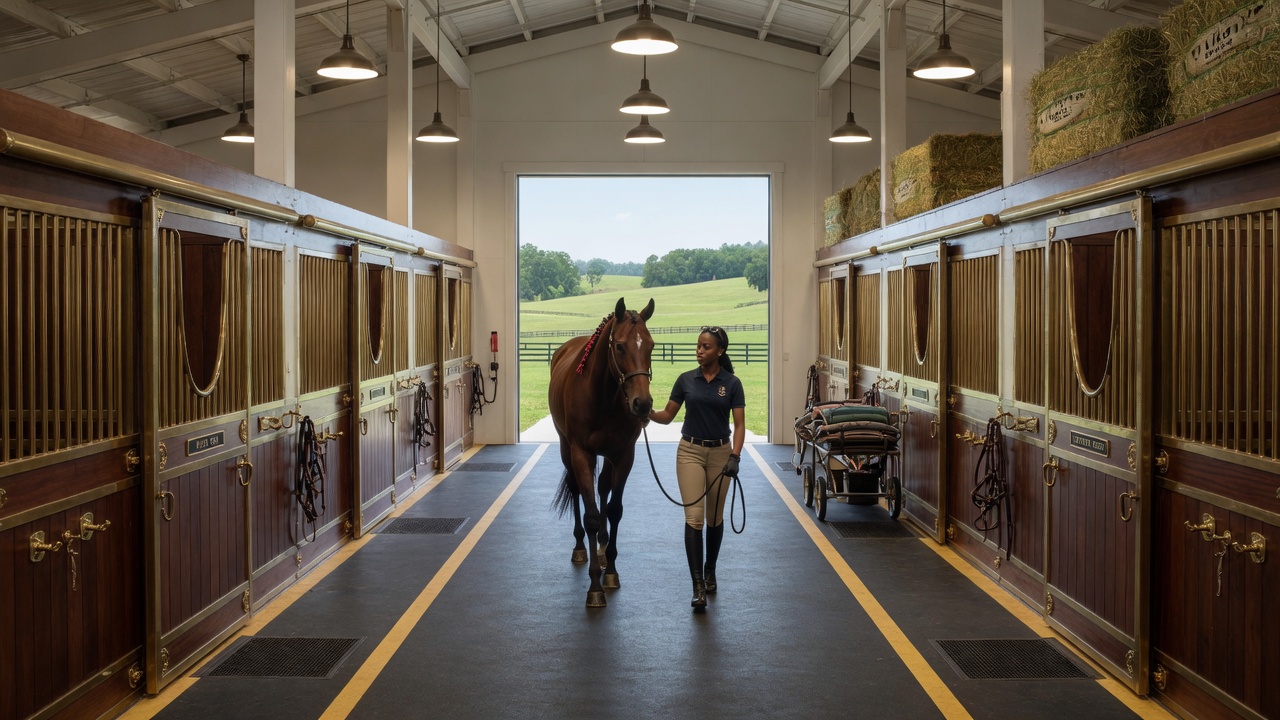
When buyers walk onto a horse property, they usually notice the house first. It's natural — that's where you'll live. But after 20 years of showing equestrian properties in Aiken, I've learned that the barn is where the real story lives. For a full six-point evaluation checklist, see our Buyer's Guide, and explore the different types of barns and facilities in Aiken. A well-built barn is an asset that appreciates. A poorly built or neglected one is a liability that can cost tens of thousands to fix.
Construction and materials
The best barns in Aiken are typically built with pressure-treated posts set in concrete, wood or metal framing, and metal or cedar siding. Post-and-beam construction is the gold standard for durability. Check for signs of structural movement — leaning posts, gaps between walls and the roof, sagging ridge lines. These are red flags that suggest foundation or structural issues.
Ventilation
Proper ventilation is critical for horse health. A barn with poor airflow contributes to respiratory issues, mold, and ammonia buildup. Look for open ridge vents, gable vents, and windows that can be opened. The barn should feel airy and fresh — not stagnant and musty. In Aiken's humid summers, ventilation is not optional.
Stall dimensions and condition
Standard stall size for most horses is 12×12 feet. Larger breeds (Warmbloods, draft crosses) may need 14×14. Check the stall walls for chew marks, kick damage, or rust. Rubber mats should be in good condition without curling edges. Dutch doors or sliding doors should operate smoothly. Stall height should be at least 10 feet to allow adequate air volume.
Roof and drainage
The roof is the barn's first line of defense. Metal roofs are standard in Aiken and should be checked for rust, loose fasteners, and proper slope. Look at the gutters and downspouts — are they directing water away from the barn foundation? Ponding water near the barn leads to mud, mosquitoes, and structural damage. Check the barn floor for proper drainage in the aisle and wash bays.
Electrical and water systems
The barn's electrical system should be up to code, with GFCI outlets in wet areas (wash bays), proper lighting in the aisle and stalls, and no exposed wiring. Water systems should include frost-proof hydrants, properly functioning automatic waterers, and adequate pressure. Have an electrician and plumber evaluate the barn systems before closing — it's a small investment that can prevent major surprises.
I know what to look for in an Aiken barn.
Contact Linda for a property evaluation that includes a thorough assessment of the barn, fencing, water systems, and overall property condition.
Get an Evaluation