
Water, Wells, and Septic on Aiken Horse Properties: What Every Buyer Should Know
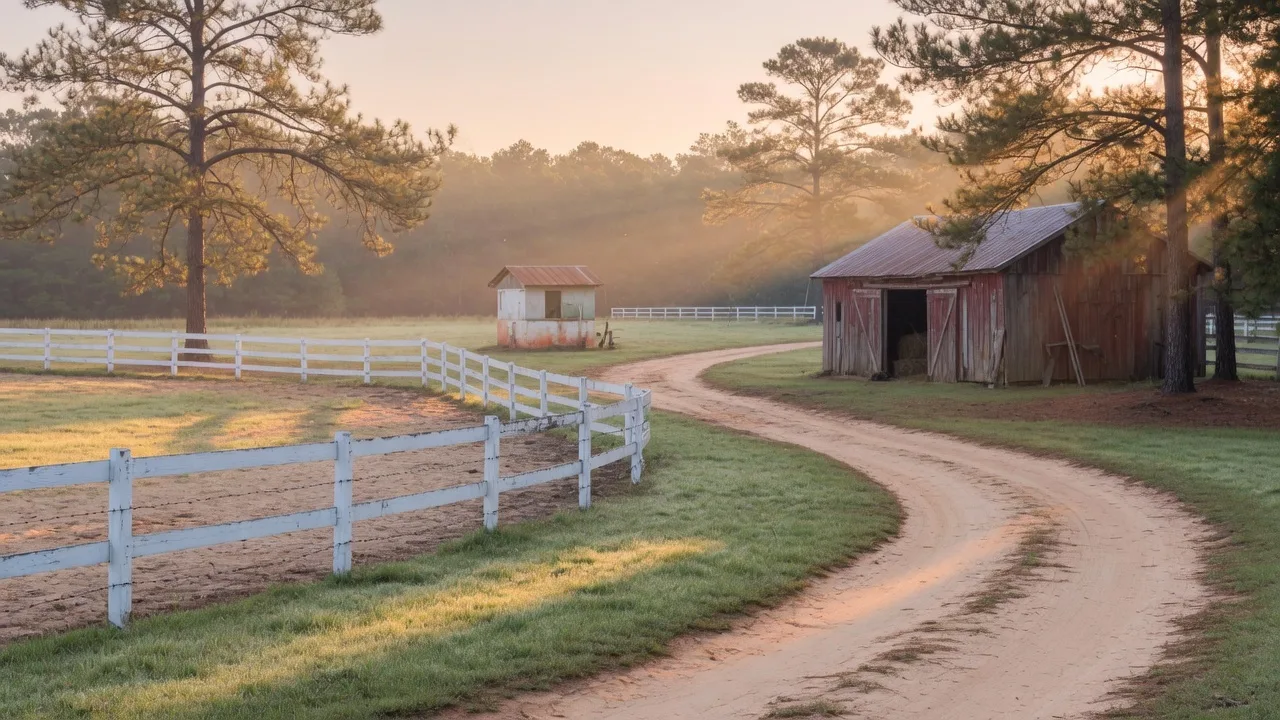
When buyers start looking at horse properties in Aiken, they focus on the things they can see: barn condition, pasture quality, fencing, arena footing, and trail access. Those are the right things to look at first. But the infrastructure you cannot see — the well that supplies your barn's water, the septic system that handles your household and wash-rack waste, and the legal framework that governs both — is just as important. I have worked with buyers who fell in love with a property's barn and paddocks only to discover later that the well was underperforming or the septic system needed a complete replacement. Here is what you need to know before you make an offer.
The importance of water on a horse property
A horse property is water-intensive in ways that a standard residential lot simply is not. You are not just supplying drinking water for your family. You are supplying drinking water for your horses — and depending on herd size, that can mean 10 to 15 gallons per horse per day. You are also filling troughs, washing stalls, hosing down horses after a ride, maintaining arena moisture for safe footing, and irrigating pastures during Aiken's dry summer months.
The sandy soils of the Carolina Sandhills drain beautifully — which is one reason Aiken is such a great place to keep horses — but that same drainage means the water table can sit deeper than in other parts of the Southeast. As a result, well depth and yield vary significantly from one property to the next, even within the same neighborhood.
Understanding wells
Most rural horse properties in Aiken County rely on private wells for their water supply. Wells in South Carolina are regulated by the state Department of Environmental Services, and a construction permit must be obtained before any drilling begins. A licensed well contractor must perform the work.
There are two things you want to verify before buying a horse property with a well. The first is yield — how many gallons per minute the well can produce. A standard residential well might be adequate for a family of four at 5 gallons per minute. A horse property with multiple horses, pasture irrigation, and a wash rack may need 10 or more gallons per minute, especially during dry periods. Ask the seller for the well drilling report, which records the depth, yield, and static water level at the time the well was drilled.
The second is water quality. Well water in Aiken County is generally good, but it should be tested for bacterial contamination, nitrates, pH, and total dissolved solids before closing. If the property has older plumbing or galvanized pipes, you may also want to test for heavy metals. Your real estate contract should include a well-water testing contingency — I include one in every horse property offer I write.
Buyer's tip: Ask about irrigation wells
Some larger horse properties have a separate irrigation well for pastures and arenas. If the property has one, ask for its yield report separately. If it does not, ask whether the main well can handle summer watering without running dry. In a dry July, the difference between a 5-gallon and a 15-gallon well can be the difference between green pastures and brown ones.
Septic systems on equestrian properties
Septic systems on horse properties need more capacity than a standard home system for one simple reason: you are not only handling household wastewater. If your barn has a wash rack — and most horse properties do — the water used to rinse horses generates greywater that must be managed. A wash rack that drains into a drywell or directly onto the ground may not meet current code. A properly designed septic system on an equestrian property routes wash-rack water to a separate treatment tank or includes additional capacity to handle the extra load.
Septic permits in South Carolina are issued by the state Department of Environmental Services under Regulation R.61-56. Before a property can close, the septic system must pass a functional inspection. An older system that passes inspection today might still be undersized for your intended use. If you plan to add stalls, increase boarding capacity, or build a new wash rack, consider whether the existing septic system can accommodate those changes.
Setbacks matter. By regulation, septic drain fields must be located a minimum distance from wells, property lines, and water bodies. On a small horse property — say 5 acres or less — those setback requirements can limit where you can build additional stalls, a run-in shed, or a new arena. I always recommend having a septic professional walk the property with you during the due diligence period to confirm there is enough room for both the septic system and your planned improvements.
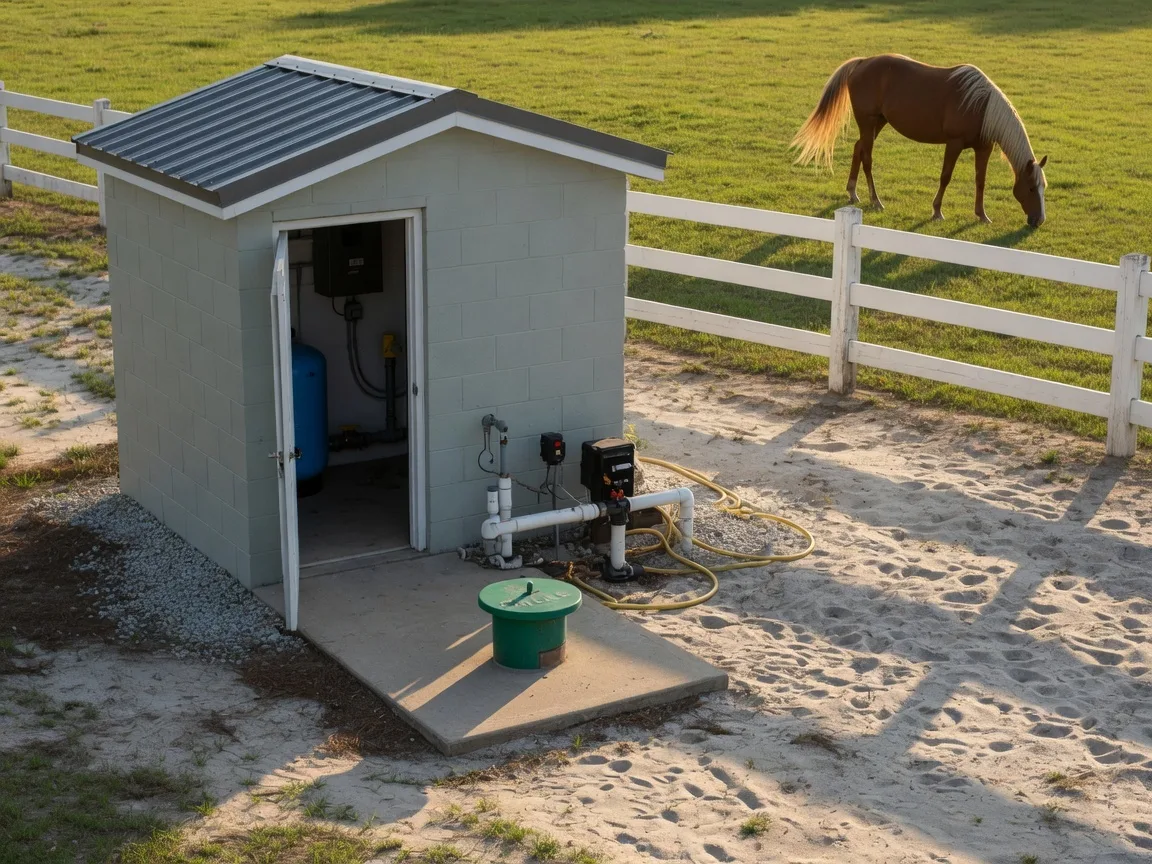
Manure management and groundwater protection
One aspect of rural infrastructure that many first-time horse property buyers do not consider is how manure management interacts with water quality. A horse produces roughly 50 pounds of manure per day. On a multi-horse property, that adds up fast. If manure is stockpiled in one area without proper management, nutrient runoff can leach into the groundwater or nearby surface water.
The standard practice in Aiken is composting manure and spreading it on pastures at appropriate application rates, or arranging for regular removal by a local hauler. Either approach requires a designated area that is properly sited away from wells, drain fields, and water bodies. When you are evaluating a property, look for where the manure is stored. A well-designed manure management area is a sign that the current owner knows how to care for the land.
The Aiken Horse District and rural infrastructure
Much of Aiken's most desirable horse country lies within the city's Horse District or the county's RH-5 (Residential-Horse) zoning districts. These districts require minimum lot sizes of 5 to 10 acres, which means most properties have the space for wells, septic systems, and appropriate setbacks. That is one of the unsung benefits of the Horse District zoning: it not only preserves the equestrian character of the area but also ensures that properties are large enough to support the infrastructure that horses require.
However, not every property in the Horse District is on a well and septic. Some areas, particularly those closer to downtown Aiken or along the Whiskey Road corridor, have access to municipal water and sewer. These properties command a premium because they eliminate the risk of well failure or septic replacement — but they also come with monthly utility bills that rural well-and-septic properties do not have. It is a tradeoff worth understanding as you narrow your search.
What to ask before making an offer
Well yield and depth
Ask for the well drilling report. If it is not available, budget for a well flow test as part of your inspection. A well that produces less than 5 gallons per minute may struggle during peak summer demand.
Water quality test
Test for total coliform, E. coli, nitrates, pH, and hardness. If the property has older plumbing, test for lead and copper as well.
Septic system age and capacity
How old is the septic tank? When was it last pumped? Does the system include a separate treatment for barn wastewater? Get the septic inspection report and have a licensed contractor review it.
Setback compliance
Confirm that the well, septic tank, and drain field are all properly setback from each other, from property lines, and from any barn, paddock, or manure storage area.
Irrigation capacity
If the property has irrigation for pastures or an arena, confirm whether it runs off the main well or a separate irrigation well. Ask about summer availability and any restrictions during drought periods.
Why this matters for horse property buyers
The difference between a well-maintained rural infrastructure and a neglected one can be tens of thousands of dollars — and the difference between a property that supports your horses comfortably and one that requires constant firefighting. A new well can cost $5,000 to $15,000 depending on depth. A full septic replacement runs $8,000 to $20,000 or more. These are not small numbers, and they are rarely visible during a standard walkthrough.
The good news is that Aiken's horse properties, particularly those in the Horse District and RH-5 zones, typically have good infrastructure. The sandy soils drain well for septic systems. The groundwater is generally clean and abundant. And the county's zoning protections mean that most properties are large enough to handle wells, septic, and horses without conflict. But every property is different, and the only way to know what you are buying is to ask the right questions during due diligence.
When I represent buyers on horse properties in Aiken, I make sure well water testing and a professional septic evaluation are part of every offer. It is not the most glamorous part of buying a horse farm — but it is one of the most important.
I can help you find a property with the infrastructure your horses need.
Whether you are looking at established horse farms in the Horse District or raw land where you will build from scratch, I will help you evaluate every aspect of the property — including what is underground.
Schedule a Consultation