Equine Liability, Insurance, and Legal Protection for Aiken Horse Property Owners
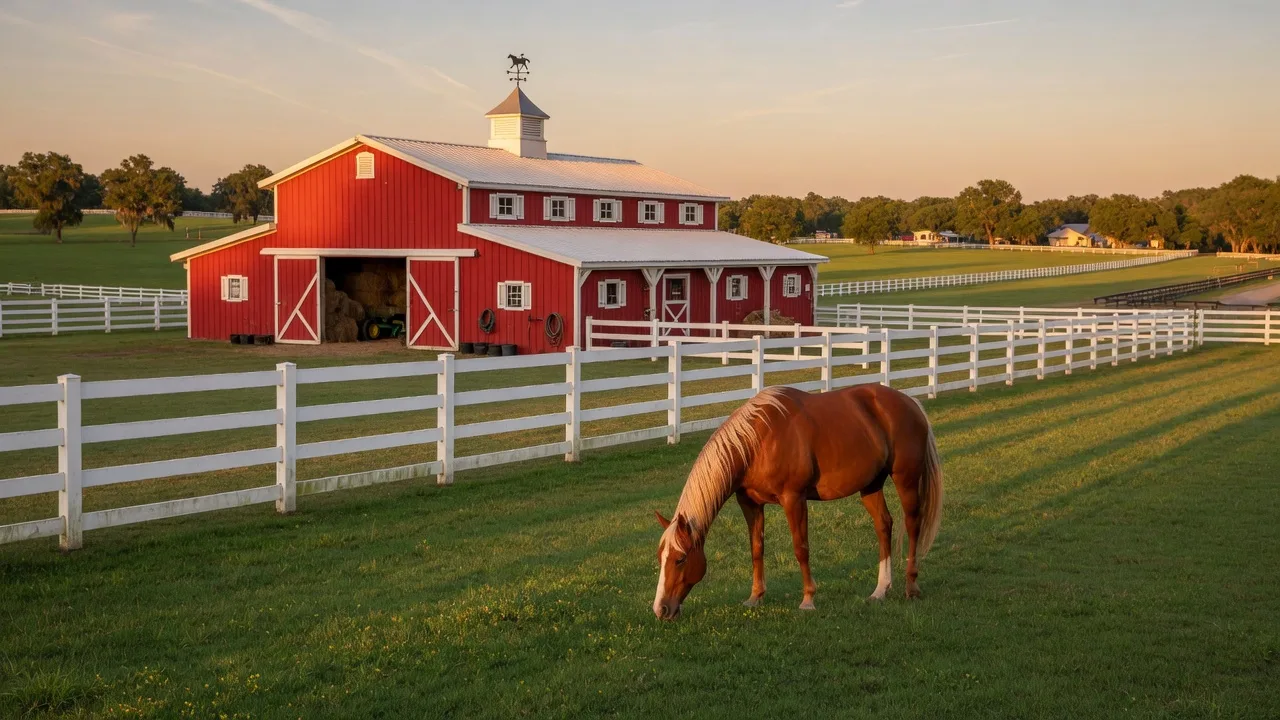
When buyers fall in love with a horse property in Aiken, they tend to focus on the barn, the pastures, the arena footing, and the trail access. Those things matter deeply, and I spend plenty of time helping clients evaluate them. But there is another layer of horse property ownership that too many buyers overlook until after closing: liability, insurance, and the legal framework that governs keeping horses on your land. Understanding these protections and requirements before you buy can save you thousands of dollars and significant stress down the road.
With more than 20 years of experience helping buyers and sellers in Aiken, I have seen too many situations where a new horse property owner discovered too late that their homeowners policy offered almost no equine coverage, or that their plans to board a few horses ran into zoning and liability issues they did not anticipate. This guide covers what every Aiken horse property buyer needs to know about liability protection, insurance, and the legal landscape of owning horse land in South Carolina.
01. Understanding South Carolina's Equine Activity Liability Act
South Carolina is one of many states with an Equine Activity Liability Act, codified in SC Code of Law Section 47-9-710. This statute provides important legal protections for horse property owners, equine professionals, and activity sponsors. In short, it recognizes that horses are large, powerful animals with unpredictable behaviors, and that participants in equine activities assume the inherent risks involved.
Under the Act, an equine activity sponsor or professional is not liable for injuries or death resulting from inherent risks of equine activities. These inherent risks include a horse spooking, bucking, biting, kicking, or running. They also include hazards related to surface and subsurface trail conditions, collisions with other equines or objects, and the negligence of other participants.
This is a powerful shield for horse property owners who allow others to ride on their land, take lessons at their facility, or participate in organized activities. But the protection is not absolute. The Act does not protect you if:
- You provided faulty equipment or tack that caused the injury.
- You owned or controlled the land and knew about a dangerous hidden condition that you did not warn participants about.
- You failed to exercise reasonable care and the injury resulted from that failure.
- You committed an intentional act that caused harm.
The Act also requires that warning signs be posted at the primary entrances to your equine facility. These signs must use specific statutory language advising participants of the inherent risks and the limitations on liability. If you plan to allow others on your property for riding, lessons, boarding, or events, posting these signs is a simple but critical step.
02. Why Standard Homeowners Insurance Is Not Enough
This is the question I hear most often from first-time horse property buyers: "Won't my homeowners policy cover liability if someone gets hurt on my property?" The short answer is no, not for horse-related incidents. Most standard homeowners and personal liability policies explicitly exclude or severely limit coverage for equine-related risks.
Horses are classified as livestock or exotic animals under most insurance frameworks, and the liability exposure they create is considered too high for a standard policy to absorb. If a visitor is kicked by your horse, if a boarder's horse injures someone in your barn, or if a horse gets loose and causes a traffic accident, your homeowners policy will likely deny coverage.
This is not a hypothetical scenario. I have worked with clients who discovered this gap only after an incident occurred. The result can be devastating: out-of-pocket medical expenses, legal fees, settlements, and in some cases, the loss of the property itself. The right insurance coverage is not optional for horse property owners. It is as essential as the barn roof and the fence line.
Standard homeowners policies do not cover horse-related liability. You need separate equine liability insurance or a specialized farm and ranch policy.
03. Types of Equine Insurance Every Horse Property Owner Should Consider
The right insurance package for your horse property depends on how you use the land. A private owner keeping two personal horses has different needs than someone running a boarding or training operation. Here are the policy types to understand:
Private Horse Owner Liability Insurance
If you keep horses for personal use only and do not board, train, or instruct others, this is your core coverage. It protects you if your horse causes injury to someone or damage to someone else's property. Coverage limits typically range from $500,000 to $2 million. Premiums are relatively modest for personal horse owners, especially if you maintain good fencing, post warning signs, and keep your facilities in safe condition.
Farm and Ranch Property Insurance
A standard homeowners policy may not cover your barn, run-in sheds, riding arena, fencing, or equipment. Farm and ranch property insurance is designed for agricultural and equestrian properties. It covers the structures unique to horse properties and often includes coverage for tack, feed, hay, and farm equipment. This is especially important in Aiken, where an equipment barn can hold tens of thousands of dollars in tractors, mowers, harrows, and arena drags.
Care, Custody, and Control Insurance
This is the policy you need if you take care of horses that belong to other people. Boarding operations, training facilities, and anyone who provides lessons or turn-out services all need care, custody, and control coverage. It covers your liability if a horse in your care is injured, becomes ill, or dies while on your property. Without it, you could be personally liable for the full value of a horse worth tens of thousands of dollars.
If you are considering buying a horse property with the intention of offsetting costs by boarding a few horses, factor the cost of this insurance into your budget. It is not prohibitively expensive, but it is an ongoing expense that too many new owners forget to plan for.
Commercial General Liability Insurance
If you operate any commercial equestrian activity on your property, including lessons, training, clinics, or events, you need commercial general liability insurance. This is broader than personal equine liability and is typically required by professional organizations, competition venues, and event hosts. It covers your liability to the public and participants in the course of your business operations.
Insurance Checklist for Aiken Horse Property Buyers
- Confirm what your current homeowners policy excludes for horses and farm structures
- Get quotes for personal equine liability insurance before closing
- If you plan to board, train, or give lessons, request quotes for care, custody, and control coverage
- Ask about farm and ranch property insurance to cover barns, fencing, tack, and equipment
- Check whether your agent has experience with equestrian properties, not all do
- Factor annual insurance premiums into your horse property budget
04. Zoning and Liability: How the Horse District Protects You
Aiken's Horse District zoning is often discussed in terms of minimum acreage and permitted uses, but it also plays a role in liability protection. Properties within designated equestrian zones are understood by the community, by visitors, and by the courts to be part of an area where horses and horse-related activities are the norm. This context matters when liability questions arise.
If you own property in the City of Aiken Horse District or in Aiken County's RH-5 (Residential-Horse) zoning district, equestrian activities are a permitted and anticipated use. Visitors, invitees, and even trespassers are on notice that horses are present and that the inherent risks of equine activities apply. This does not eliminate your duty of care, but it strengthens your legal position under the Equine Activity Liability Act.
Equally important: the Horse District zoning requirements, including the 10-acre minimum lot size in the city district and 5-acre minimum in the county RH-5 district, help ensure that horse properties have adequate space for safe turnout, fencing setbacks, and separation between equine areas and public roads. These spatial buffers reduce the likelihood of incidents that could trigger liability claims in the first place.
05. Release Forms, Waivers, and Written Agreements
Equine liability insurance and the state Equine Activity Liability Act work hand in hand with well-written release and waiver forms. If you allow anyone other than yourself to ride on your property, take lessons, or handle your horses, you should have them sign a liability release and an acknowledgment of inherent risk.
A properly drafted waiver should:
- Explicitly reference South Carolina's Equine Activity Liability Act
- Describe the inherent risks of equine activities in clear language
- Include an acknowledgment that the participant understands and voluntarily accepts those risks
- Include a release of liability for ordinary negligence (not gross negligence or intentional acts)
- Be signed and dated before any equine activity takes place
For boarding arrangements, a written boarding agreement is equally important. It should specify care expectations, feeding schedules, turnout arrangements, vaccination requirements, emergency veterinary protocols, and the limits of your liability. A clear written agreement prevents misunderstandings and provides documentation if a dispute arises.
I recommend that every horse property owner who boards horses or allows others on their property consult with a South Carolina attorney familiar with equine law to review their liability release forms and boarding agreements. The small upfront cost is nothing compared to the cost of defending an inadequately documented claim.
06. What This Means for Your Property Search
When I work with buyers looking for horse properties in Aiken, insurance and liability considerations are part of my initial consultation. Here is why they matter to your search:
Location matters for liability context. A property within the Horse District or an established equestrian corridor like the 302 corridor has a built-in liability framework. Properties in rural residential zones where horses are less common may face different legal and neighbor expectations. If you plan to board, train, or offer lessons, choose a property in an area where those activities are a permitted use.
Property layout affects insurability. A barn and arena that are set well back from the road, with adequate fencing and gated entry, present a lower risk profile to insurers than a facility that opens directly onto a busy road. Good drainage, secure fencing, and proper stall construction all make your property easier and more affordable to insure.
Existing operations come with existing liability exposure. If you buy a property that is currently operating as a boarding or training facility, you inherit the existing boarders, training clients, and their horses. You also inherit the liability exposure. Make sure you understand the current operation and have appropriate insurance in place before closing.
Let me help you evaluate your options before you buy.
I can connect you with insurance professionals who specialize in equestrian properties and help you understand how zoning, location, and property layout affect your liability exposure and insurance costs.
Contact Linda