
Aiken Horse District Zoning: What Property Buyers Need to Know
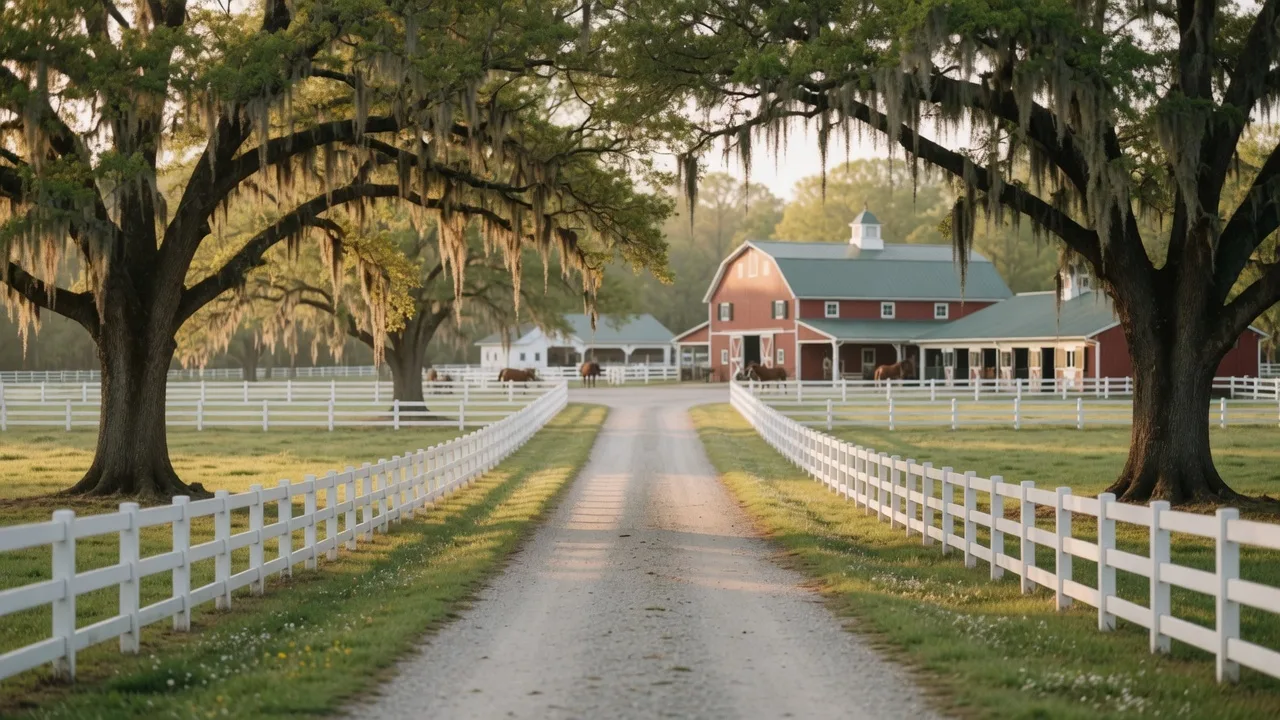
Aiken's Horse District zoning is one of the most important factors to understand when buying an equestrian property in this region. Created to preserve the equestrian character of the community, the Horse District establishes specific requirements for minimum lot sizes, permitted uses, and the types of activities that can take place on horse properties. Whether you are looking at a small hobby farm or a large training facility, understanding these zoning rules will help you find a property that matches your needs and avoids costly surprises after closing.
What is the Aiken Horse District?
The City of Aiken established the Horse District (HD) zoning classification to protect and preserve the open spaces and facilities needed for horse training, polo, and other equestrian activities. This district covers a significant portion of Aiken's historic equestrian core, including areas near Hitchcock Woods, the Aiken Training Track, and many of the Winter Colony estates. It is one of the oldest zoning districts of its kind in the United States, reflecting Aiken's long commitment to keeping horses at the center of community life.
Minimum acreage requirements
One of the most important rules for buyers to understand is the minimum lot size requirement. Properties in the Aiken Horse District must generally be at least 10 acres. This minimum ensures that the district remains low density, with enough space for horses, pastures, barns, and riding areas. Some smaller properties are grandfathered in, meaning they were created before the current zoning rules took effect and can continue to operate as nonconforming lots.
For nonconforming lots in the Horse District that are smaller than 10 acres but contain one acre or more, horses may still be kept. However, if a lot is smaller than one acre, permission to keep horses must be obtained from the Board of Zoning Appeals. This is an important detail for buyers looking at smaller properties within the Horse District boundaries.
Not every property in the equestrian areas has the same zoning.
Always verify the specific zoning classification and any restrictive covenants on a property before making an offer. I can help you pull zoning records and understand what they mean for your intended use.
Permitted uses in the Horse District
The Horse District is designed for equestrian residential use. Permitted uses generally include single-family homes, horse boarding and training facilities, riding arenas, polo fields, and related equestrian infrastructure. Commercial activities are limited to those directly related to horses, such as training barns, riding instruction, and boarding operations. This is different from standard residential zoning, where keeping horses may not be permitted at all.
For buyers who plan to operate a boarding or training business, it is essential to verify that the property's zoning and any conditions on the title permit commercial equestrian use. Some properties in the Horse District are restricted to private, noncommercial use through covenants or other deed restrictions.
Beyond the city: Aiken County zoning
If you are looking at properties outside the Aiken city limits, the rules are different. Aiken County operates its own zoning system, including the RH5B (Residential-Horse Business) district. This classification promotes low-density residential development on lots of at least five acres and permits equine-related commercial activities. Many of the larger horse properties in areas like Wagener Road, Bettis Academy Road, and the outlying equestrian communities fall under county jurisdiction, not the city's Horse District.
County zoning tends to be more flexible in some respects but also comes with its own set of requirements for minimum lot sizes, setbacks, and permitted structures. Understanding whether a property is in the city or county jurisdiction is one of the first questions I help buyers answer when we start looking.
The Winter Colony and historic districts
It is important to note that the Winter Colony is not a zoning district. It is a historic district listed on the National Register of Historic Places. Properties in the Winter Colony area may have additional restrictions related to historic preservation, including rules about exterior renovations, fencing materials, and landscaping changes. These restrictions exist alongside the underlying Horse District zoning, so buyers considering a property in this area need to consider both sets of rules.
Zoning and property value
The Horse District zoning has a direct impact on property values in Aiken. By limiting density and preserving large lots, the zoning protects the open character that makes Aiken attractive to horse owners. Properties with clear Horse District zoning and documented compliance tend to hold their value well and attract serious equestrian buyers. On the other hand, a property with zoning that does not permit horses or that has nonconforming status may appeal to a narrower pool of buyers.
When selling a horse property, having clear documentation of the zoning classification, any variances or special permits, and the history of equestrian use can make a meaningful difference in how the property is marketed and valued. I always advise sellers to gather these documents early in the process.
How to verify zoning on a property
Zoning information is public record. The City of Aiken and Aiken County both maintain zoning maps and ordinances online, and you can look up a specific property by its tax parcel number or address. However, the official zoning classification is not always the whole picture. Properties may have conditional use permits, variances, or historical nonconforming status that is not obvious from the zoning map alone. Working with a local agent who understands these nuances is one of the best ways to avoid surprises.
As someone who has helped buyers and sellers navigate Aiken's equestrian real estate market for more than 20 years, I make it a standard part of every transaction to review the zoning, any deed restrictions, and the property's history of equestrian use. This is especially important for horse properties, where the difference between the right and wrong zoning can determine whether you can keep your horse on the property at all.
Let Linda help you find a property with the right zoning.
Contact Linda for a personalized property search with full zoning verification and local expertise.
Start Your Search