
Equestrian Property Maintenance: A Year-Round Guide for Aiken Horse Property Owners
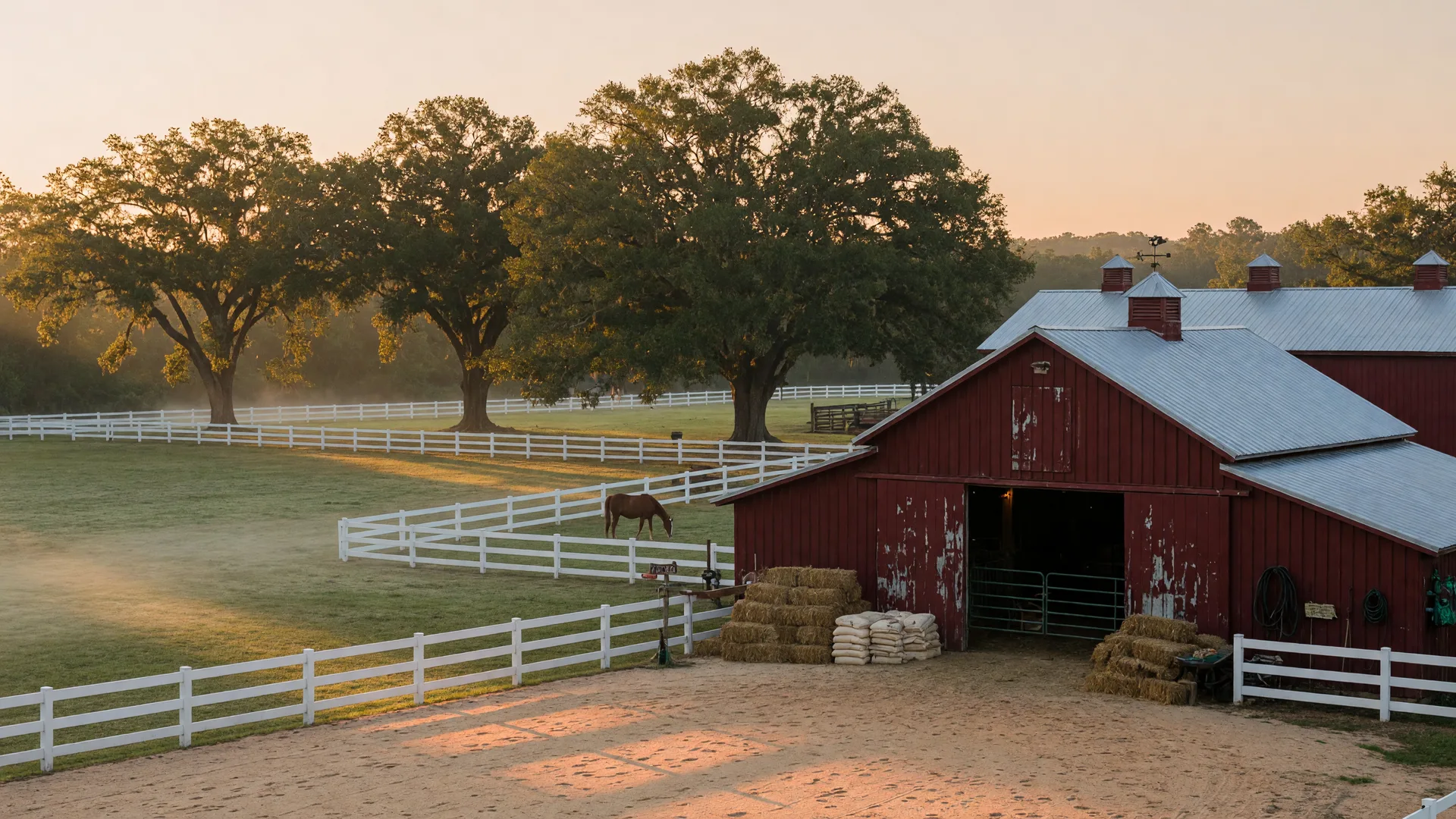
Owning a horse property in Aiken is one of life's great privileges. There is nothing quite like stepping out your back door at dawn, coffee in hand, watching steam rise off the pasture while your horses graze in the cool morning air. But that idyllic scene does not maintain itself. A horse property is a working farm, and keeping it safe, functional, and beautiful requires a schedule of maintenance tasks that shifts with the seasons.
After more than 20 years helping buyers find and maintain horse properties in the CSRA, I have learned that the properties that hold their value best are the ones where the owners stay ahead of maintenance rather than chasing it. This guide lays out what to do and when to do it, organized by season, so you can keep your Aiken horse property in top condition all year.
Spring: Renewal and preparation
Spring in Aiken arrives early and brings a burst of growth, mud, and activity. This is the season to assess what winter did to your property and prepare for the heavier use that comes with warmer weather.
Pasture care and soil management
Aiken's sandy Sandhills soil drains beautifully, but it also leaches nutrients quickly. Spring is the time to have your soil tested through the Clemson Cooperative Extension. The test will tell you exactly what your pastures need in terms of lime, nitrogen, phosphorus, and potassium. Most Aiken pastures benefit from a spring lime application to balance pH after winter rains.
Walk every pasture on foot before the grass gets too tall. Look for holes, depressions, and rocks that migrated to the surface during winter freeze-thaw cycles. A horse stepping in a hidden hole at a canter can sustain a career-ending injury. Fill and compact any depressions, and remove rocks by hand or with a mechanical rock picker. This is also the time to overseed bare patches with a recommended Sandhills pasture mix.
Fence inspection
Winter weather and temperature swings take a toll on fencing. Walk every fence line in early spring, looking for loose boards, sagging wire, broken posts, and damaged gates. Board fences need particular attention: check for rot at the post-ground interface and tighten any loose nails or screws. If you have electric fencing, test the charger output and clear vegetation from the line. Spring is the most cost-effective time to make fence repairs before the summer growing season makes access harder.
Barn deep clean
Spring is the ideal time for a barn deep clean that goes beyond daily stall picking. Remove all bedding, sweep walls and ceilings, clean cobwebs from rafters and light fixtures, and pressure-wash stall floors and aisles if your barn allows it. Check for signs of rodent or bird nesting in rafters, feed rooms, and storage areas. This is also the moment to inspect your tack for winter damage: clean and condition leather, check stitching on bridles and girths, and replace anything that shows wear.
Schedule your spring property walk with your real estate agent.
If you are considering selling your Aiken horse property, a spring walk-through with me can identify the improvements that will give you the best return before listing season. Contact me to schedule a property evaluation.
Contact LindaSummer: Heat, dust, and daily vigilance
Aiken summers are hot and humid, and they push both horses and infrastructure to their limits. Maintenance shifts from project-mode to monitoring-mode. The key is staying ahead of problems before the heat compounds them.
Barn ventilation and cooling
Good barn ventilation is not a luxury in an Aiken summer, it is a necessity. Check that all vents, cupolas, and ridge openings are clear of debris and functioning. Clean fan blades and motor housings at the start of summer and monthly thereafter. Dust accumulation on fan blades reduces airflow by as much as 40 percent. If your barn uses misting fans or evaporative cooling, test the system and replace any clogged nozzles before the first heat wave.
Water systems
Water consumption doubles or triples in summer heat. Check automatic waterers daily for flow rate, cleanliness, and algae buildup. Scrub troughs and buckets weekly with a vinegar solution or barn-safe cleaner. If you are on well water, have the flow rate tested midsummer when the water table is at its lowest. A well that produces 5 gallons per minute in April may drop to 2 GPM in August, which is not enough for a barn with multiple horses.
Fly control infrastructure
Aiken's warm, humid summers are ideal breeding conditions for flies. Beyond sprays and repellents, check the infrastructure: repair torn stall screens, seal gaps in doors and windows, and clean manure from paddocks and high-traffic areas daily. Fly predators and beneficial insects can be released monthly from spring through fall and are especially effective on properties with well-managed manure composting.
Pasture rotation and weed management
Summer weeds compete with desirable grasses and some varieties are toxic to horses. Identify and remove toxic species such as buttercup, nightshade, and ragwort before they spread. Mow pastures regularly to prevent weeds from going to seed. Rotate grazing to prevent overgrazing and soil compaction. In sandy Aiken soil, overgrazed pastures can lose topsoil to wind erosion in a single dry spell.
Fall: Prepare for Winter Colony season
Fall in Aiken means one thing: the Winter Colony season is coming, and with it a wave of seasonal activity. The town fills with riders, trainers, and horses from across the country. If you own a horse property, this is the season to get everything ready for increased use.
Barn deep clean and organization
Before the winter boarding and training season begins, give the barn another deep clean. Strip stalls, wash walls, and organize the tack room and feed room. Check that hay supplies are sufficient for the months ahead and that hay storage is dry and well-ventilated. Fall is also the time to inspect fire extinguishers and replace any that are past their service date, as barn occupancy and activity increase during the cooler months.
Arena footing maintenance
Fall is the busiest riding season in Aiken, and your arena footing will see heavy use. Drag and harrow the arena surface, check the depth, and add footing material if needed. Aiken's sandy soil is naturally well-draining, but arena footing still requires regular maintenance to prevent compaction and maintain consistent cushion. If you have an outdoor arena, check that drainage ditches and French drains are clear of leaves and debris before the fall rains arrive.
Roof and gutter inspection
Fall rains test every roof and gutter on the property. Clean gutters and downspouts of leaves and debris. Inspect the barn roof for loose or damaged shingles, rust spots on metal roofing, and any signs of leakage around vents and chimneys. A small roof leak ignored through fall can become a major repair by spring.
Paddock and turnout area care
Heavy fall use of paddocks and turnouts can turn them into mud pits by December. Add gravel or footing material to high-traffic gate areas where mud is most likely to form. Rotate turnout spaces to give each area a rest period. Consider installing geotextile fabric under high-traffic zones before adding gravel, which prevents the aggregate from sinking into the sandy soil below.
Aiken's Winter Colony season runs October through April.
If you are considering renting your barn or boarding facilities during the winter season, fall is the time to make repairs, restock supplies, and set your policies. I can connect you with resources to help prepare your property.
Winter: Inspections, indoor projects, and planning
Aiken winters are mild compared to most of the country, but they bring their own maintenance challenges. Cooler temperatures mean horses spend more time stalled, and the barn sees heavier daily use. This is the season for structural inspections and indoor improvement projects.
Structural inspection
Winter is the best time to evaluate the barn's structure because problems are easier to see without summer foliage and dust. Inspect support beams, trusses, and post connections for rot, insect damage, or cracking. Check the condition of stall walls, doors, and latches. A horse spends more time in its stall in winter, and that stall needs to be safe and comfortable. Pay special attention to the condition of stall mats; replace any that are cracked or curling at the edges.
Electrical system inspection
Winter is when electrical systems are under the most stress. Heaters, heated buckets, and additional lighting all draw power for longer hours. Have a licensed electrician inspect the barn's electrical panel, wiring, and outlets at least every two years. Rodents seek warmth in barn electrical panels during winter and can cause shorts and fire hazards. Look for signs of chewing on wiring and seal any gaps where mice or rats can enter the barn.
Barn fires are most common between November and April, largely due to increased electrical load and the use of space heaters. If you use heating equipment in the barn, make sure it is rated for agricultural use and kept away from bedding, hay, and flammable materials. Never leave space heaters running unattended.
Manure management
Horses produce roughly 50 pounds of manure per day. In winter, when they are stalled more hours, that manure accumulates in the barn and needs to be removed daily. A well-designed manure management system is critical. If you compost manure, winter composting is slower due to cooler temperatures. Adjust your pile management accordingly: maintain the correct carbon-to-nitrogen ratio by adding extra bedding or straw, and cover the pile to prevent nutrient runoff from winter rains.
Equipment maintenance and storage
Winter is the quiet season for outdoor equipment. Use the downtime to service tractors, mowers, and ATVs. Change oil, replace filters, sharpen blades, and top off fluids. Store equipment in a clean, dry area away from hay and bedding. A well-maintained tractor that lives through 15 Aiken summers is a tractor that was stored properly every winter.
Year-round tasks that never stop
While the seasonal tasks change, some maintenance responsibilities run 365 days a year. These are the habits that separate well-kept horse properties from those that deteriorate over time.
- Daily stall cleaning. A clean stall is the foundation of horse health. Remove soiled bedding, pick manure, and add fresh bedding every day.
- Weekly trash and debris removal. Walk the entire property once a week collecting trash, fallen branches, and debris that could injure a horse.
- Monthly fire extinguisher check. Verify the pressure gauge is in the green zone, the pin is intact, and the unit has not been tampered with.
- Monthly fence line walk. A five-minute walk around your paddocks and pastures every month catches small problems before they become big ones.
- Monthly well water testing. A simple bacteria and pH test each month ensures your water quality stays safe for your horses.
- Seasonal barn deep clean. A full barn scrub-down in spring and fall keeps dust, cobwebs, and allergens under control.
How maintenance affects property value
Buyers who are looking for a horse property in Aiken are not just buying land and a house. They are buying a working facility that needs to function from day one. A property with a well-maintained barn, healthy pastures, good fencing, and clean water systems commands a premium because it saves the buyer years of catch-up work.
The converse is equally true. A property where maintenance has been deferred for several years costs the buyer tens of thousands of dollars in repairs and upgrades. Barns with outdated electrical systems, pastures overtaken by weeds, broken fencing, and neglected water systems all reduce the property's marketability and sale price.
If you are planning to sell your horse property in Aiken, the most cost-effective way to increase your property's value is to bring the maintenance current. A property that shows well and passes inspection with minimal issues consistently sells faster and for a higher price than one that makes buyers nervous about what they will find after closing.
I can help you evaluate maintenance and property condition.
Whether you are shopping for a turnkey equestrian facility or preparing your property for sale, I bring more than 20 years of local experience to every transaction. Contact me or schedule a consultation to start the conversation.
Schedule a Consultation