
Moving to Aiken, SC, With Horses: What You Need to Know
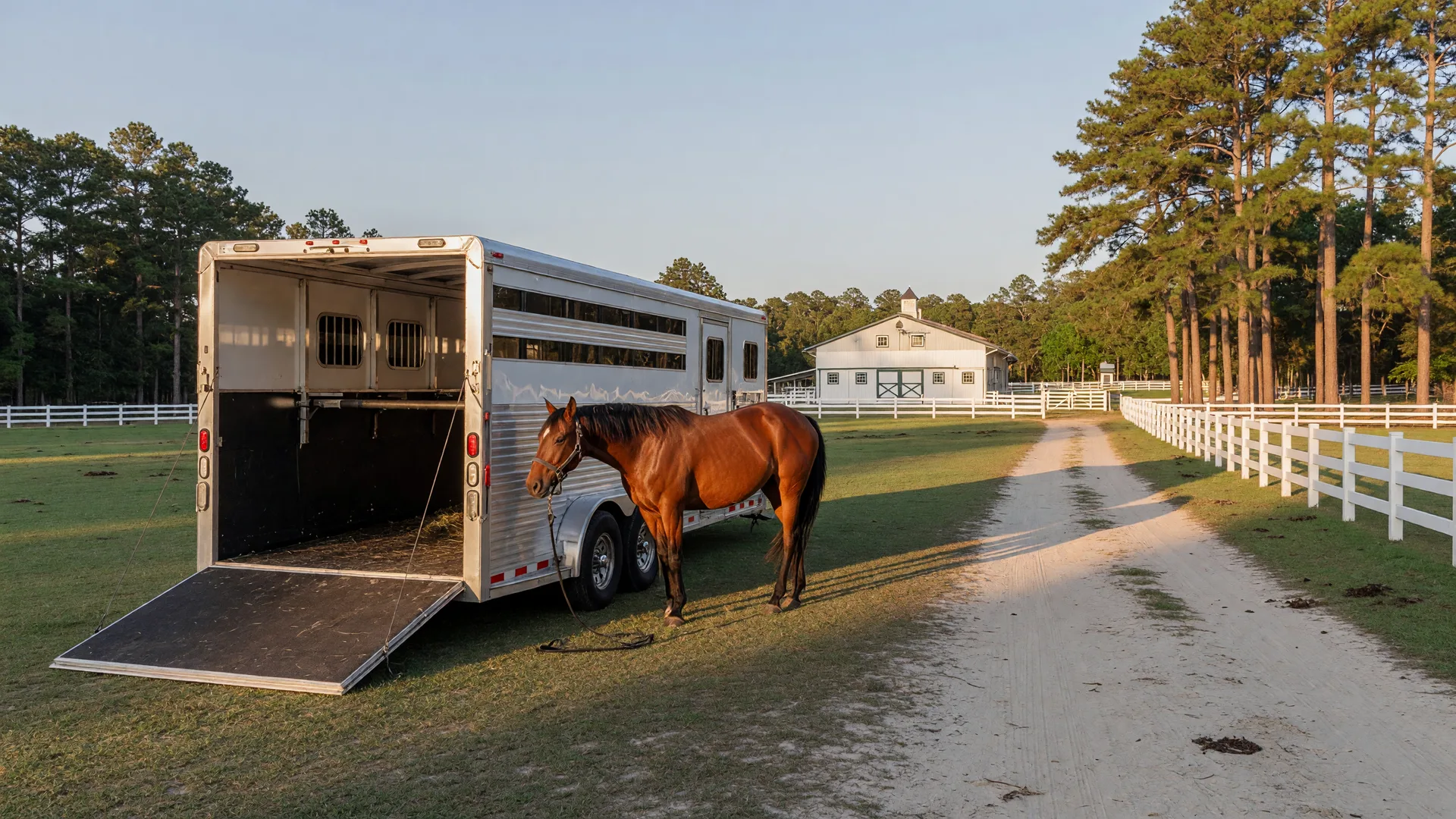
Moving to Aiken with horses is one of the most rewarding decisions a horse person can make, and one of the most detailed. Between finding a place to live, arranging the move itself, and making sure the horses land in the right hands from day one, there is a lot to coordinate. I have spent more than 20 years helping buyers and sellers across Aiken, North Augusta, and the wider CSRA, and the families who settle in best are the ones who plan in the right order. This guide covers the questions I hear every week: where to live, whether to board or buy a farm, how to line up veterinary and farrier care, how the horses get here, and what to prepare on the property before the trailer backs in. Every relocation is different, so treat this as a planning map, and verify the specifics with the local equine professionals you choose to work with.
Why do horse people move to Aiken?
Aiken has been a destination for horse people since the 1880s, when the first Winter Colony families shipped their horses south to escape harsh northern winters. The reasons they came are the same reasons relocation still happens today: a mild climate that keeps horses in work year-round, sandy, well-draining ground that stays underfoot after rain, and a community built around the horse in every practical sense. The equestrian community here runs the calendar from winter hounds to spring polo, and the events calendar fills nearly every weekend of the year. For a rider, that depth of culture is the difference between moving to a town and moving into a way of life.
It also helps that the move is well practiced. Every fall and winter, horses arrive in Aiken by the hundreds, so the support network, transport companies, boarding farms, and veterinarians all know exactly how to handle a newcomer. You will not be the first family to ask the questions in this guide, and you will not be the last.
Where should you live when you ride?
The single biggest decision is not the barn; it is the location. Aiken's equestrian neighborhoods fall into a few broad patterns, and each suits a different kind of horse life. In-town, the historic Horse District offers Winter Colony cottages with backyard barns on unpaved lanes, where you can ride out your own gate and be in the Hitchcock Woods trail system within minutes. Gated equestrian communities like Three Runs Plantation and New Bridge Polo trade private acreage for shared trails and amenities maintained for everyone. Southside communities such as Bridle Creek and Anderson Farms offer the same spirit at a smaller scale, with community riding rings and trail networks. And along the rural corridors and county horse districts further from town, you trade proximity for privacy, buying larger parcels where your horses live entirely on your own land.
The right answer depends on how you ride, how much chore work you want, and whether you want your horse life inside a community or behind your own gate. My guide to building your equestrian community in Aiken explains why the social side of the move matters as much as the property, and the complete relocation guide walks through the full picture of neighborhoods, logistics, and timing.
Should you board first or buy a farm right away?
This is the fork in the road that shapes everyone's first year. Boarding first, even for a few months, gives you time to learn the market without the pressure of a closing date. Your horses land in a facility that already has fencing, water, and staff in place, and you spend your house hunting with them safe and settled. Full-care board is especially sensible if you are arriving in the busy season, when local vets and farriers are at their fullest, because the facility's own team handles the day-to-day while you build your own support circle. My guide to boarding facilities in Aiken covers the types of board and what to evaluate when you visit.
Buying a farm from day one is the other path, and it can work beautifully when the property is a true turnkey horse place. The key is to know that a farm is a job as much as a purchase: fencing, waterers, pasture, and barn all need daily attention, and you will want your team in place before the horses arrive. The comparison between established farms and raw land, and the guide to right-sizing your acreage, are good places to start thinking about what kind of property genuinely fits your plan.
How do you line up a vet and farrier before you land?
The single most practical piece of relocation advice I give is to build your support circle before you need it. Aiken's equine veterinary community is deep, with practices that cover everything from routine wellness to emergency and sports medicine, and my guide to equine veterinary services in Aiken maps the field. The local services directory and the tack shop, farrier, and equine services guide are the right places to start building your list of names.
Farriers are worth particular attention because they book up well ahead of the busy winter season. Call potential farriers as soon as you know your moving dates, ask about their current schedule, and book a trim for the week after your horses arrive so hooves that have traveled get a fresh look in the Sandhills sand. My guide to farrier care and hoof health in Aiken covers the local shoeing calendar and the barn features that make farrier visits easy, which is a useful checklist for any property you tour.
How will your horses get to Aiken?
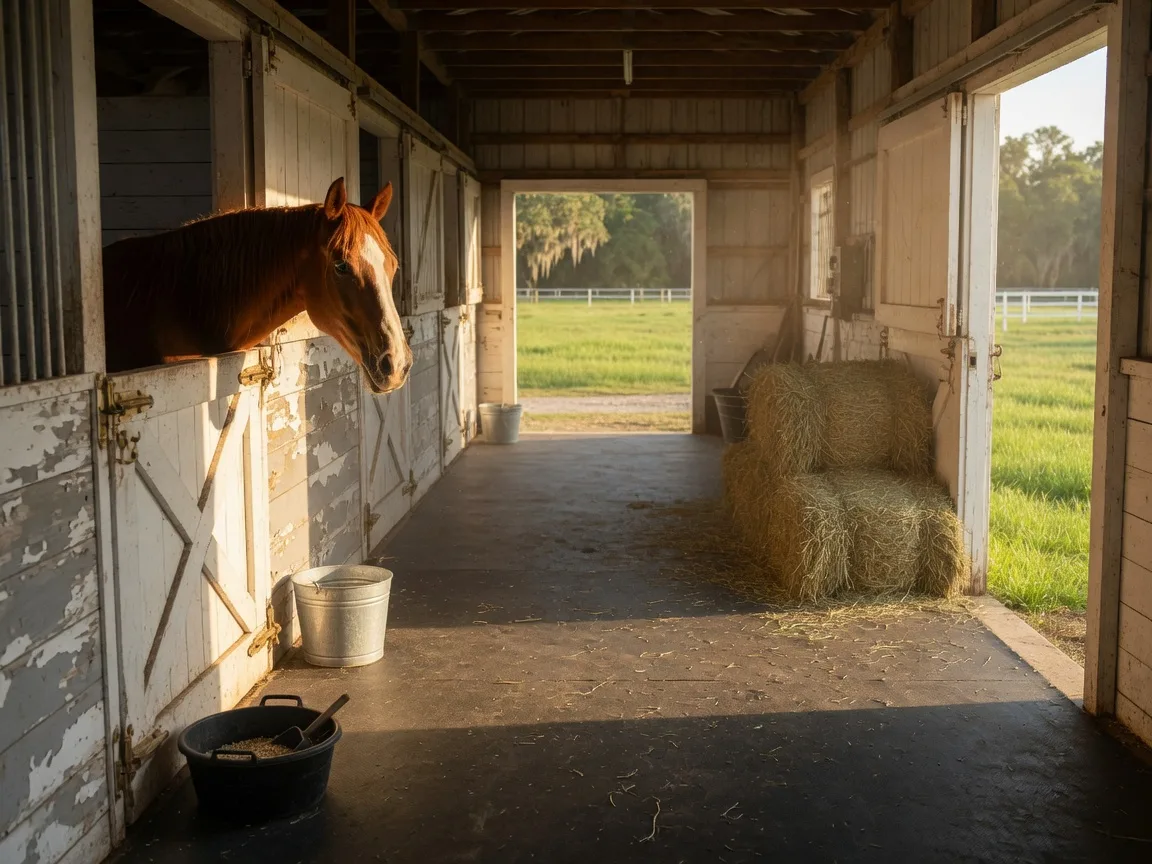
For most long-distance moves, a professional equine transport company is the right call, and the busy season means good haulers book up ahead, so reserve your dates as soon as you know them. The paperwork matters as much as the haul: South Carolina requires an Interstate Certificate of Veterinary Inspection, the health certificate, issued to cover your travel dates, plus a negative Coggins test within the previous 12 months for any equid six months or older, and the state's enhanced equine herpesvirus import rules add a layer of safeguards worth understanding in advance. My step-by-step guide to moving your horses to Aiken walks through the health papers, booking the haul, and the first quiet days in a new barn, so the logistics of the trip itself are fully covered there.
Plan the arrival with the same care. Schedule a veterinary exam for the first day or two after arrival, have clean water and a quiet stall ready, and give your horses a few calm days in their own space before they meet the rest of the farm. The horses that settle best are the ones whose people did the paperwork early and the patience late.
What should you prepare on the property before the horses arrive?
Whether you are moving into a turnkey farm or a property that needs attention, run an arrival-day test before the trailer appears. Can a trailer pull in, turn around, and back to the barn without drama? Is there a stall that works as a quiet first-night holding area, with clean bedding, fresh water, and good ventilation? Does the paddock nearest the barn have secure fencing and its own water, so a new horse can settle without crossing the whole farm? Are the lights, outlets, hoses, and frost-free hydrants actually working? These are small questions with outsized consequences on arrival day, and they are exactly the features the horse property buyer's checklist walks through in detail.
If you are preparing a property you just bought, give yourself time before the move for the water tests, fencing repairs, and barn checks that a new property deserves. The due diligence guide and the wells and septic guide cover what to inspect and verify before you commit, and both double as excellent pre-arrival checklists. Hay and feed are the other practical item: arrange a local supplier and confirm your hay storage is dry and secure before the first delivery.
How do you set the first months up for success?
Once the horses are home, the relocation is only half done; the settling-in is the other half. Keep routine consistent at first, walk the property boundaries with your horses so they learn their paddocks and their neighbors, and introduce the trails a little at a time. Get out to the events, the show grounds, and the club gatherings, because Aiken's community is genuinely welcoming and the fastest way to feel at home is to show up. My first-year guide maps the whole settling-in process season by season, and the Winter Colony season guide explains what to expect from the busiest time of the year.
If you are still in the early planning stage and buying from a distance, the remote buying guide walks through layered virtual tours, barn inspections, and closing from out of state. However you are moving, the order is the same: choose the location, secure the housing for your horses, build the team, plan the transport, and prepare the property. Get those five pieces right and Aiken will do the rest.
Let me help you find a property set up for a smooth arrival and a great first season.
With more than 20 years across the CSRA, I know which farms, communities, and boarding options handle relocations well, from the trailer lane to the quarantine stall. As the First AI-Certified Realtor in the area, I combine local, horse-country knowledge with practical guidance for buying, selling, and relocating with horses in Aiken, North Augusta, and Augusta.
Schedule a Consultation