
Late Summer Riding in Aiken Horse Country: Making the Most of the Season's Final Quiet Weeks Before Fall Competition, Polo, and the Hunt Calendar Arrive
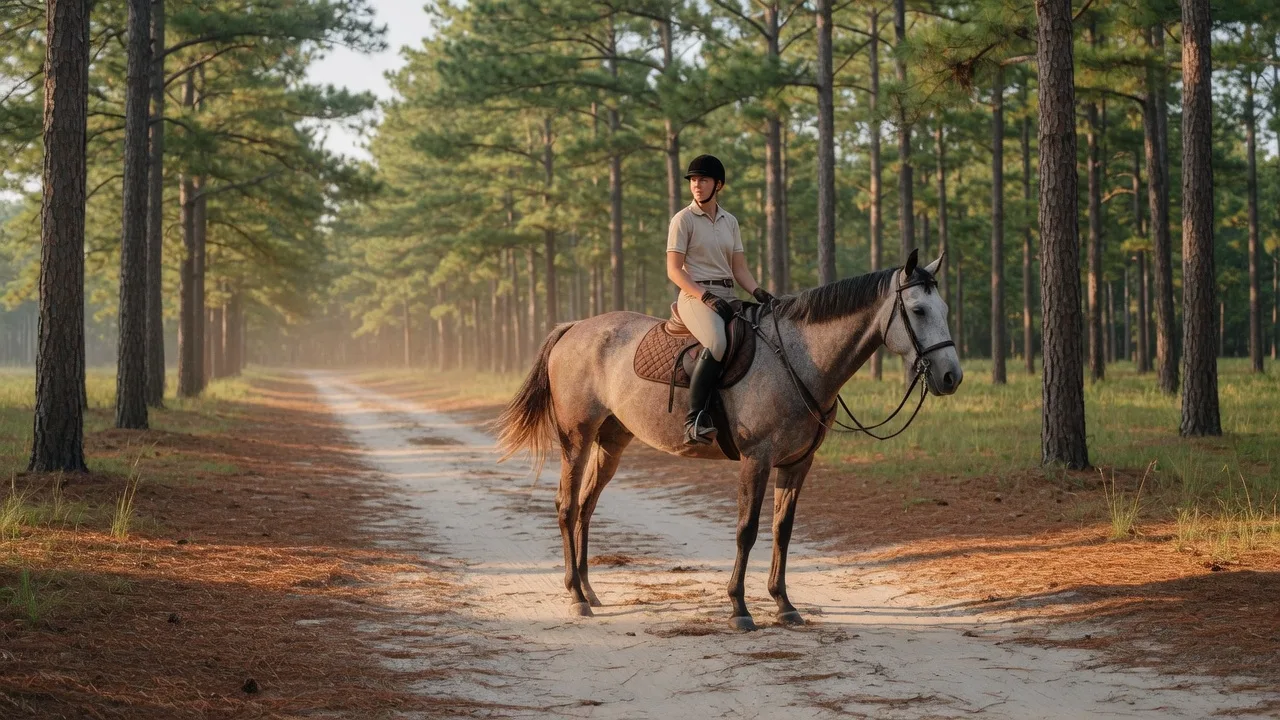
There is a moment in late August when Aiken horse country shifts. The mornings still arrive cool and damp under longleaf pines, but the midday heat carries that heavy, thick quality that only a Carolina summer can produce. The summer show circuit at Bruce's Field has wound down. The polo ponies are resting between seasons. And the trailers full of Winter Colony horses have not yet started rolling back into town. For anyone who owns or lives on a horse property in Aiken, these final weeks of late summer are something of a hidden gift: a stretch of quiet, uncrowded riding time before the calendar explodes with activity.
I have been helping buyers and sellers navigate Aiken's equestrian real estate market for more than 20 years, and every late summer I hear the same thing from horse owners: this is the season they cherish most. The trails are less crowded, the barn routine feels stable, and there is a sense of anticipation in the air. If you are new to Aiken or considering a move here, understanding the rhythm of late summer is your first step toward feeling like a true member of this community.
Why late summer is Aiken's best-kept riding secret
Ask any lifelong Aiken horse owner what they love about August and September, and the answer is almost always the same: the trails. Hitchcock Woods is magnificent in these weeks. The summer canopy is full, providing dappled shade across more than 70 miles of sandy trails. The footing is dry but not dusty. Early morning rides, starting around 7 AM, offer cool temperatures, soft light, and the kind of quiet that is hard to find at any other time of year.
The same goes for the bridle paths that line Aiken's historic neighborhoods. Riders can walk, trot, and canter along tree-lined corridors with minimal traffic from cars or other riders. For horse property owners with direct trail access, these late summer mornings are the payoff for a season of barn work and pasture management.
The wider Aiken trail network also comes into its own during late summer. The GAIT Foundation trails at Langley Pond and the Gopher Tortoise Heritage Preserve offer longer rides with varied terrain. These trails see less traffic during the summer months, making them ideal for riders who want a quiet, extended outing without the crowds that arrive once the Winter Colony season begins in October.
Managing the heat: smart riding practices for late summer
Aiken's late summer heat is no joke. Afternoon temperatures regularly reach the low 90s with high humidity. Smart riders plan around it. The Aiken horse community largely follows a simple rule: ride early or ride not at all during the heat of the day. A 6 AM tack-up means you can be back in the barn before 9, with the hottest hours still ahead.
Here are a few practices I see among the most successful horse owners in Aiken:
- Adjust your riding schedule. The best late summer riding happens between sunrise and 10 AM, and again after 6 PM when the sun drops below the pines. Plan your barn hours around these windows.
- Know the heat index. Aiken's humidity means the heat index often runs 10 to 15 degrees above the actual temperature. If the index is above 100, consider light groundwork or hand-walking instead of ridden work.
- Cool your horse properly. A long, slow cool-down walk followed by a thorough hose-off and scrape is essential. Many Aiken barns keep a fan in the wash bay for this purpose.
- Hydration management. Offer electrolytes in feed during hot spells, and make sure your horse has access to clean, cool water at all times. Automatic waterers in pastures should be checked weekly for function and cleanliness.
- Watch for signs of heat stress. Elevated respiratory rate that does not return to normal after 30 minutes, lethargy, and excessive sweating or lack of sweating all warrant immediate attention. Know your equine vet's emergency number, and keep it posted in the barn. The equine veterinary services in Aiken are world-class, but in an emergency, every minute counts.
Aiken late summer temperatures
Average highs in August and September range from the mid-80s to low 90s. Humidity is consistently high. Early morning temperatures in the upper 60s to low 70s make dawn the ideal riding window. After the sun goes down, evening rides can be pleasant but plan for bugs; a good fly sheet and fly spray are essential gear for any Aiken horse property.
The calm before the season: why late summer is ideal for barn projects
For horse property owners, late summer offers a rare window of time for barn and property improvements that are harder to tackle once the fall competition schedule kicks into high gear. This is the time to:
- Inspect and repair fencing. Walk every fence line. Look for loose boards, sagging gates, and areas where vegetation has grown into the fence line. Board fencing maintenance is far easier in late summer than in the wet, cold months ahead.
- Service your arena footing. Late summer is the ideal time to drag, water, and top-dress your arena. The dry conditions allow you to assess the base layer and make adjustments before the fall riding season. See our guide on arena construction and footing for detailed advice.
- Deep clean the barn. Strip stalls, pressure-wash if possible, and apply fresh stall bedding. A late-summer deep clean sets the stage for a healthier barn environment when horses are spending more time indoors during weather transitions.
- Check your water systems. Test well flow rates, inspect automatic waterers, and flush water troughs. August heat puts extra demand on water infrastructure, and a failure now compounds when the barn is full of horses during the Winter Colony season. Our guide on water, wells, and septic systems covers what every horse property owner should monitor.
- Order hay and bedding early. The best hay suppliers in the CSRA start taking fall and winter orders in late summer. Ordering early locks in your supply before the Winter Colony buyers arrive and prices rise. Know your hay sources and order at least a season ahead.
What's coming: the fall equestrian calendar
Once September hits, Aiken's equestrian calendar comes alive. This is the season many local horse owners wait for all year. If you are new to the area, mark these dates on your calendar:
Fall polo season opens at Whitney Field
The Aiken Polo Club returns for Sunday double-header matches at the historic Whitney Field. This is arguably Aiken's most social weekly gathering from September through November. Admission is free. Bring a blanket, pack a picnic, and settle in for an afternoon of high-goal polo on the oldest consecutively played polo field in America. Fall tournaments include the Alan Corey Memorial, the Willcox Cup, and the USPA George Patton Cup.
Aiken Fall Festival at Bruce's Field
The Aiken Horse Park Foundation hosts USEF National A Rated hunter/jumper competition each September. Two weeks of top-level sport with free spectator access. This is an excellent opportunity to see the caliber of competition Aiken attracts and to connect with the local equestrian community.
Hunt season opens at Hitchcock Woods
The Aiken Hounds drag hunt season begins in October, with the formal opening hunt marking the start of the fall to spring hunting calendar. The Blessing of the Hounds takes place each Thanksgiving weekend. Hunt season runs through March with Tuesday afternoon and Saturday morning meets. For horse property owners in Aiken, hunt membership is one of the most rewarding ways to connect with the community. See our guide to fox hunting in Aiken for a full overview.
Eventing and dressage at Stable View
Stable View hosts schooling dressage, eventing academy days, and horse trials throughout the fall. Their indoor arena means competition continues regardless of weather. For eventers and dressage riders, Stable View is one of the finest facilities in the Southeast.
The Winter Colony arrival
Starting in October, seasonal residents begin arriving for the Winter Colony season. Barns that have been quiet all summer fill up. Trainers, riders, and horses from the Northeast, Florida, and beyond make their seasonal pilgrimage to Aiken's sandhills. This influx transforms the community. Restaurants and tack shops get busier. The riding trails see more traffic. For the full picture, read our guide to the Winter Colony season.
For a complete listing of fall events, see our Fall Equestrian Season Events Guide and the year-round events calendar.
Getting your horse ready for the transition
As summer turns to fall, your horse's workload is likely to increase. Competition schedules ramp up. Hunt season begins. Polo ponies return to regular training. A gradual transition is key. Here is how experienced Aiken horse owners manage the shift:
- Start increasing work gradually. If your horse has had a lighter summer schedule, begin building condition 4 to 6 weeks before your first competition or hunt. Hill work and long trot sets build fitness without the concussion of hard galloping.
- Schedule a pre-season veterinary check. Late summer is the ideal time for a wellness exam, vaccinations, dental float, and a Coggins test. Many Aiken equine vets book up quickly once the fall season starts, so schedule your appointment in August or early September.
- Have your farrier assess your horse's feet. The transition from dry summer footing to potentially wetter fall conditions can affect hoof health. A good farrier will adjust your shoeing or trimming schedule accordingly.
- Review your hay and feed program. As the pastures change, many Aiken horse owners adjust their feeding programs. If you have not already, source your fall and winter hay now. Our equine nutrition guide covers local hay types and feeding strategies for the Sandhills.
Building your fall and winter equestrian wardrobe
If you are new to Aiken, you will discover that the fall and winter riding wardrobe here is different from what you might expect. Aiken winters are mild, but they are also damp. Morning temperatures in the 30s and 40s are common from December through February. A good Irish sport coat, a heavyweight fleece, and waterproof half-chaps are worth the investment. For hunt season, traditional hunt attire is required, but for everyday riding, layers are the rule.
For tack and riding apparel, Aiken is well served. The local tack shops stock gear suited to the Sandhills climate and the disciplines that dominate here. If you have not yet visited the equestrian services and tack shops in Aiken, late summer is a good time to shop while the selection is full and crowds are light.
The social side: connecting before the rush
One of the questions I hear most often from buyers relocating to Aiken is: how do I meet other horse people? The answer, in late summer, is to start now. Before the Winter Colony crowds arrive, the local equestrian community is smaller and more accessible. Join the Aiken Equestrian Community by attending a hunter pace, visiting a polo match, or introducing yourself at a local equestrian venue event. The people you meet in late summer will be the same faces you see at every tailgate, competition, and trail ride through the fall and winter.
For buyers who have not yet purchased a horse property in Aiken, late summer is an excellent time to tour properties. The land is showing its full summer growth, the barns are dry and accessible, and the trails are at their most visible. You can see how a property handles heat, how the pastures hold up under dry conditions, and whether the barn ventilation works when you need it most. And because the real estate market tends to quiet slightly in August, you may find more attentive showings and less competition for the best properties.
Whether you are a lifelong Aiken resident, a seasonal Winter Colony participant, or someone considering a move to horse country, late summer in Aiken is a season worth savoring. The trails are quiet, the barn projects get done, and the anticipation of the fall calendar builds in a way that only a true equestrian community can deliver.
Let me help you get settled before the busy season arrives.
I know every equestrian corridor, trail access point, and horse-friendly neighborhood in Aiken. Contact me for a personalized property search, or schedule a consultation to discuss your goals for life in horse country.
Schedule a Consultation