
Equine Nutrition and Feeding in Aiken's Sandhills: Hay, Pasture, and Supplements for Carolina Horse Country
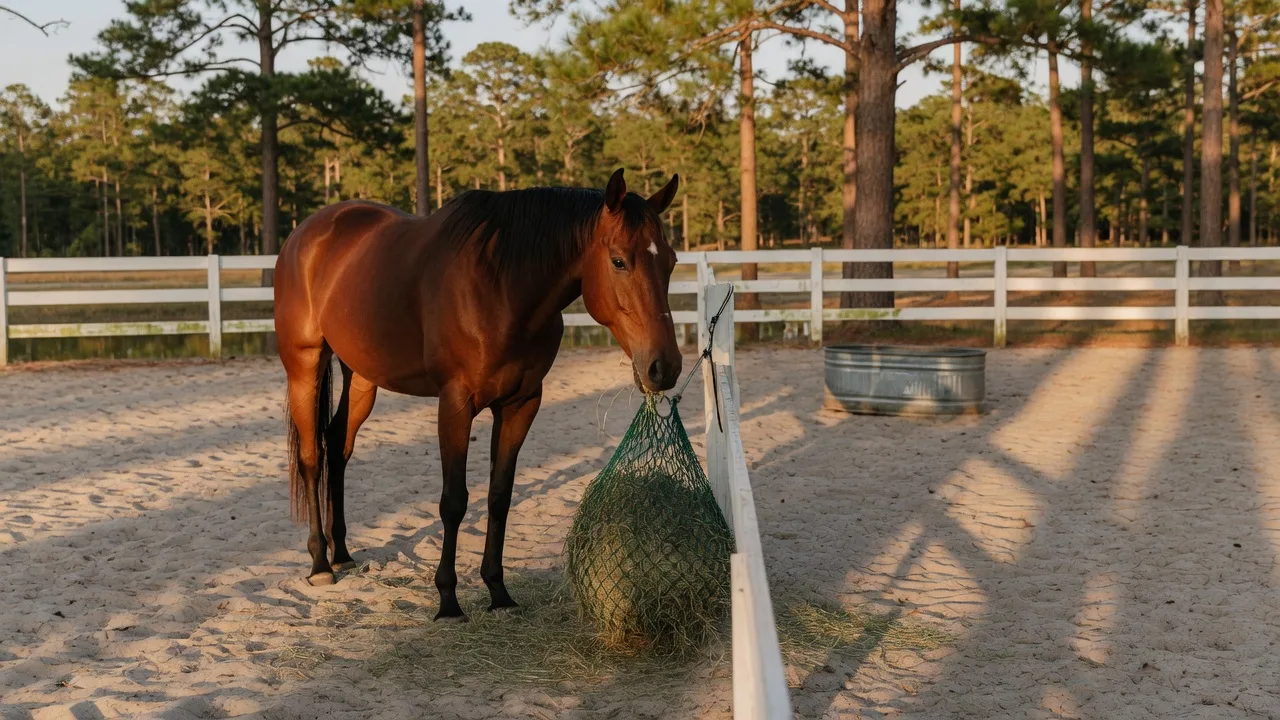
In the ::-plus years I have helped horse owners buy and sell properties in Aiken, I have learned that the quality of life for horses here depends on more than just a nice barn and good turnout. Equine nutrition in the Carolina Sandhills presents unique challenges that many newcomers do not anticipate. The sandy soil that makes Aiken's trails so rideable and its drainage so reliable also affects what grows in the pastures, what nutrients are available in the forage, and how you need to approach feeding across the seasons. A horse that thrives in the bluegrass country of Kentucky or the rich loam of Virginia's horse farms may need a different feeding regimen to maintain the same condition here. This guide covers what Aiken horse owners need to know about feeding their horses well, from hay selection to pasture management to strategic supplementation.
The Carolina Sandhills were once the floor of an ancient ocean, and the soils that remain are sandy, acidic, and naturally low in organic matter. The native grasses that thrive in this environment are warm-season varieties â primarily coastal Bermuda grass, bahia grass, and some native grasses like wiregrass and panic grass. These grasses are adapted to the region's hot, humid summers and mild winters, but they have a different nutritional profile than the cool-season grasses that dominate Northern and Mid-Atlantic horse country.
Coastal Bermuda grass is the most common pasture grass and hay crop in the Aiken area. It is drought-tolerant, grows well in sandy soils, and produces a palatable forage that horses do well on when harvested at the right stage. The catch is that Bermuda grass is lower in protein and digestible energy than timothy, orchard grass, or alfalfa. A diet based primarily on Bermuda grass hay may need protein or energy supplementation for horses in active work, growing young horses, or broodmares. Knowing the protein content of your hay is the first step toward building a balanced ration.
Aiken County and the surrounding region produce several types of hay, and each has its place in a feeding program. The local hay market is driven by the same soils and climate that shape the pastures, so knowing what is available locally helps you plan ahead, especially through the winter and summer slump periods when pasture is least productive.
This is the backbone of the local hay market. When harvested at the right maturity (around :8 to :: days of regrowth), coastal Bermuda hay can test at 1: to 1: percent crude protein with moderate energy levels. It provides good fiber for digestive health and is generally palatable to most horses. The key quality indicator is stem thickness. Hay cut before the seed heads fully develop has thinner, more digestible stems and higher protein content. Hay that is cut late, after the seed heads have matured, is stemmy and lower in nutrients â essentially it becomes bedding rather than quality forage. Buy from a reputable hay producer who can tell you the cutting date and, ideally, provide a forage analysis.
Alfalfa does not grow as readily in the Sandhills as it does in the Western states, but it is widely available from regional suppliers and is an excellent supplement to Bermuda grass hay. Alfalfa is higher in protein (typically 15 to :: percent), calcium, and energy than grass hay, making it a useful addition for horses that need to gain weight, maintain condition during heavy work, or recover from illness. Many Aiken barns feed a grass-alfalfa mix to get the benefits of both: the fiber and slower digestibility of grass hay with the nutrient density of alfalfa.
There is an art to blending hays. Too much alfalfa can lead to excess protein and calcium, which puts strain on the kidneys and can cause developmental issues in young horses. For most adult horses in light to moderate work, a 5:/5: mix of good quality Bermuda and alfalfa provides balanced nutrition. Horses at maintenance on good pasture may need no alfalfa at all.
These cool-season grasses are not grown locally in any meaningful quantity, but they are imported from the upper Southeast and Midwest and sold at local feed stores. They are higher in fiber and lower in sugar than Bermuda grass, making them a good option for horses with metabolic issues like insulin resistance or Cushing's disease. The cost is higher, but for horses with specific dietary restrictions, it can be the safer choice.
The nutritional quality of Aiken pastures varies dramatically across the year. Spring growth in March, April, and May produces the most nutrient-dense forage, with protein levels in young Bermuda grass reaching 1: to 16 percent. By mid-summer, as the grass matures and the heat stresses the plants, protein levels drop. In the dormant winter months, pasture provides little more than roughage.
Soil health is the foundation of pasture nutrition. Aiken's sandy soils are naturally acidic and low in phosphorus and potassium. Regular soil testing â every two to three years â tells you what amendments your pasture needs to grow quality forage. Lime is the most common amendment, applied to raise the pH into the 6.: to 6.5 range where Bermuda grass thrives. Nitrogen fertilizer applied during the active growing season pushes grass growth and protein content. Many local agricultural supply companies offer soil testing services and can recommend a fertility program specific to horse pastures.
Overgrazing is the fastest way to degrade pasture nutrition. When horses graze grass below three inches, the plant draws on its root reserves to regrow, weakening the root system and reducing the nutritional quality of the next flush of growth. Rotational grazing, using multiple paddocks to rest grass between grazing periods, maintains healthier pastures and better forage nutrition than continuous turnout on a single field. On properties with adequate acreage, a rotation schedule of 1: to 1: days between grazing cycles gives Bermuda grass time to recover.
One of the most common adjustments new Aiken horse owners need to make is adapting their feeding program to the seasons. In many Northern climates, winter is the season of hard feeding and summer is the season of abundant pasture. In the Carolinas, the pattern is more nuanced.
Spring is the season of lush growth, and it brings its own risks. The rapid grass growth in March and April is high in non-structural carbohydrates (sugars and starches), which can trigger laminitis in susceptible horses. Horses with a history of founder, or those diagnosed with equine metabolic syndrome, should have limited spring turnout, ideally in the early morning or late evening when sugar levels in grass are lowest. For sound horses, spring pasture provides excellent nutrition, and many owners can reduce or eliminate hay feeding during the peak growth weeks â provided the pasture is managed well and not overgrazed.
Summer is the most demanding season for pasture management in Aiken. Heat and humidity push Bermuda grass into survival mode, and protein levels in the forage decline. By late July and August, many pastures have gone dormant or are producing low-quality, stemmy growth. Horses on pasture alone often lose condition during the hottest months. This is the time when supplemental hay becomes essential, even for horses with turnout. The summer feeding plan should include good quality Bermuda hay offered free choice or at least twice a day, alongside pasture access. For horses in work, a ration balancer or concentrated feed provides the protein and energy the pasture is not delivering.
September and October bring a second growth flush as temperatures moderate and fall rains return. This fall pasture is typically higher in quality than summer growth but still not as nutrient-dense as spring. It is an excellent time to body-condition-score your horses and adjust feeding in preparation for winter. Horses that enter winter in good condition are easier to maintain through the cooler months. Fall is also the time to secure your hay supply for winter, before the best hay lots are sold out.
Aiken winters are mild compared to much of the country, but the pasture is largely dormant from December through February. Horses turned out on winter pasture need daily hay feeding, as the dormant grass provides minimal nutrition. For most horses, free-choice grass hay is sufficient to maintain condition through the winter. Horses that are thin, older, or in work may need a higher-energy feed or additional alfalfa to maintain body weight. The winter feeding program should also account for the increased caloric demand of staying warm. Even in a mild winter, a horse's maintenance energy requirement increases by 1: to :: percent when temperatures drop below their lower critical temperature â around :: to 5: degrees Fahrenheit for a clipped horse.
Buy your hay for the whole season at once when possible.
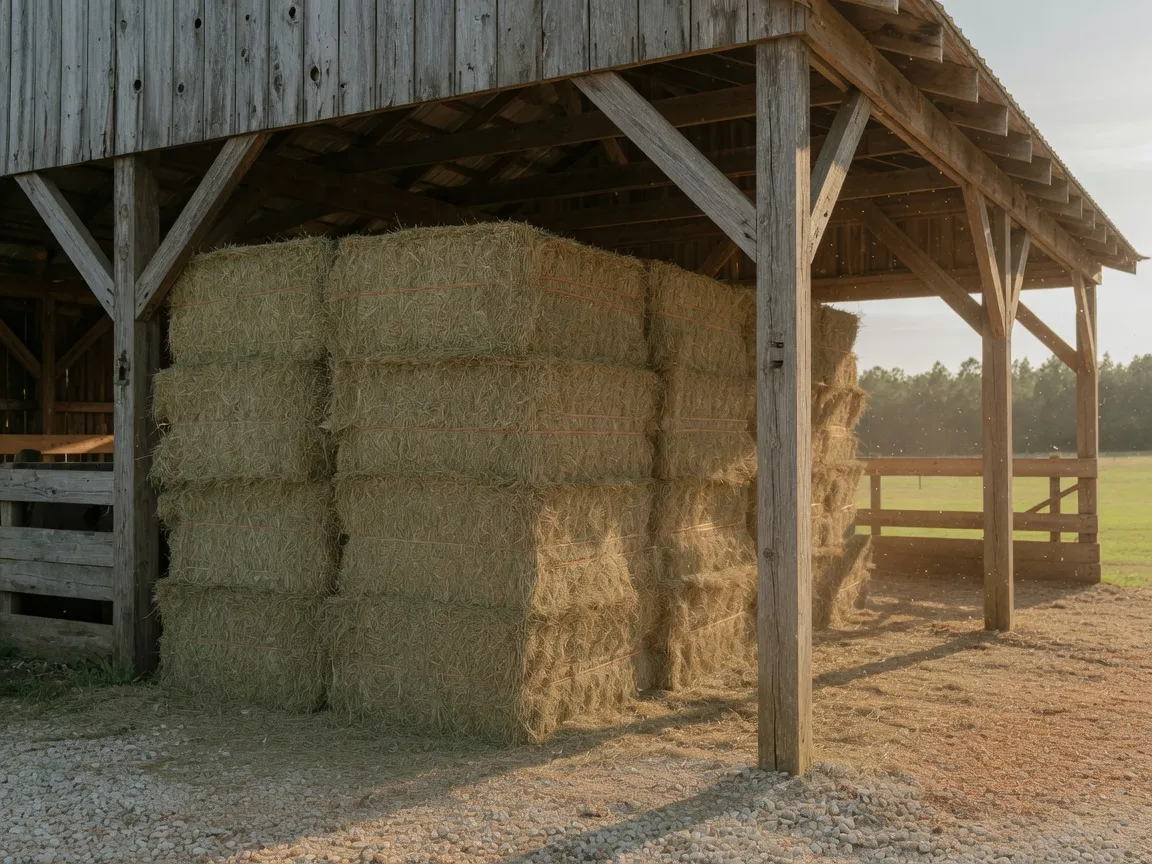
Many Aiken-area hay producers offer early-season discounts and delivery for bulk orders placed in late spring. Ordering a season's worth of hay ahead of the summer slump ensures consistent quality and price, and it means you are not scrambling in August when hay supplies tighten and prices rise. I advise horse property buyers to make sure their property has adequate covered hay storage for bulk buying. A dry, ventilated hay shed pays for itself in reduced waste and lower feed costs.
The supplement industry is enormous, and it can be hard to separate what is necessary from what is just marketing. Based on what I have seen working with horse owners across Aiken's diverse properties, most horses on good hay and balanced pasture need surprisingly little supplementation. But there are some consistent gaps in the local forage profile that are worth addressing.
The soils of the Carolina Sandhills are naturally selenium-deficient. Selenium is an essential mineral that works with vitamin E to support immune function, muscle health, and antioxidant protection. Horses grazing on Aiken pastures are at risk of selenium deficiency, which can cause muscle weakness, tying-up episodes, and compromised immune response. The typical recommendation is a supplement that provides 1 to : mg of selenium per day, depending on the horse's size and workload. Many Aiken horse owners use a commercial ration balancer or a broad-spectrum mineral supplement that includes selenium at appropriate levels. Work with your veterinarian to confirm the right dosage, as selenium toxicity is also a concern with over-supplementation.
A plain white salt block in every stall and turnout area is the simplest and most important supplement. Horses need salt to stimulate thirst, maintain hydration, and support nerve and muscle function. In the humid Aiken summer, when horses lose salt through sweat, a salt block alone may not be enough. Offering a loose mineral salt mix â which is more easily consumed than a hard block â encourages adequate intake. For horses in heavy work during the summer, a full electrolyte supplement replaces the sodium, potassium, and chloride lost through heavy sweating.
Aiken's firm, sandy footing is generally excellent for horse soundness, but horses that work regularly on arenas, pavement, or hard-packed trails still experience joint stress. Glucosamine, chondroitin, and MSM are widely used to support joint health, though the research on their effectiveness in horses is mixed. A better investment for most horse owners is feeding a biotin-based hoof supplement, particularly during the summer and winter months when the cycle of wet-dry-wet in Aiken's climate can weaken hoof walls. Many local owners report good results with commercial hoof supplements that combine biotin, methionine, zinc, and copper.
This is perhaps the most important health consideration for horses living on Aiken's sandy soils, and it is often overlooked by newcomers. Horses grazing on sandy pastures inevitably ingest small amounts of sand as they pull grass from the ground. Over time, the sand accumulates in the large intestine and colon, where it can cause irritation, weight loss, chronic diarrhea, and eventually sand colic â a potentially life-threatening impaction.
The risk is highest in horses on sandy pastures with sparse grass, where they are grazing closer to the soil. Feeding hay off the ground â using hay nets, hay bags, or feeders â significantly reduces sand intake. Many Aiken horse owners also feed psyllium husk, a soluble fiber that binds to sand in the digestive tract and helps move it through and out of the system. A common protocol is to feed psyllium for seven days each month, then take three weeks off. This periodic clearing helps prevent sand buildup without the risk of the gut becoming dependent on psyllium for regular motility.
If you are evaluating a horse property in Aiken, look for signs that the current owners have managed sand risk: hay feeders in the paddocks, elevated feeding areas, and good grass cover in the turnouts. These details tell you that the property has been managed with equine health in mind.
Aiken has a strong network of hay producers and feed stores that serve the equestrian community. The local tack shops and feed stores carry a range of hay, bagged feeds, and supplements, and many of the hay producers in the surrounding counties deliver bulk loads. Building a relationship with a reliable hay supplier before you need them is one of the smartest things a new horse owner can do.
When buying hay, ask about the cutting date, the field conditions, and whether a forage analysis is available. The best local producers test their hay routinely and can tell you the protein, energy, and mineral content. That information is invaluable when you are balancing your horse's ration. Hay that looks green and smells sweet but tests low in protein is not doing your horse much good.
The best feeding program is the one that fits your property, your schedule, and your horse's individual needs. Some horses thrive on free-choice grass hay with a ration balancer and a salt block. Others need a carefully measured concentrate feed, alfalfa supplementation, and targeted joint support. The common thread across all successful programs in Aiken is an understanding that the local forage base has specific limitations, and that managing those limitations is the key to keeping horses healthy through the Carolina seasons.
I encourage every horse owner I work with to invest time in understanding their hay quality, their pasture condition, and their horse's body condition throughout the year. A little knowledge about equine nutrition pays dividends in fewer vet calls, better performance, and longer, healthier lives for the horses that make Aiken their home. If you are new to the area or considering a move, I can connect you with local nutrition consultants, hay producers, and equine veterinarians who know the Sandhills and what it takes to keep horses in peak condition here.
Let me help you find the right horse property in Aiken.
From pasture quality to hay storage to barn layout, I evaluate every property with your horses in mind. Contact me to start your search.
Schedule a Consultation