
What Makes Aiken a Horse Town?
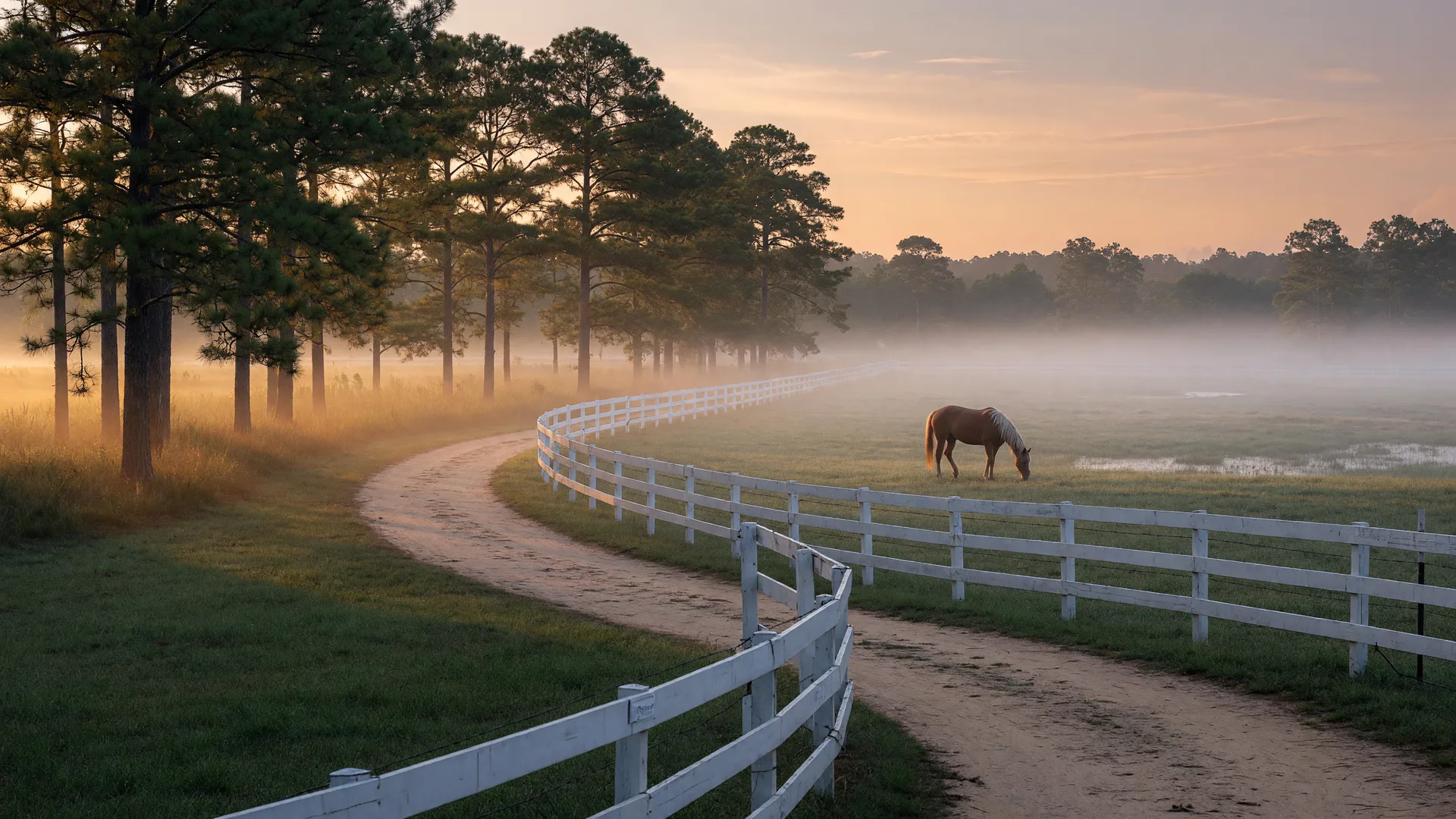
What makes Aiken a horse town? The honest answer is that almost everything about this place was built around the horse, and has been for well over a century. From the sandy footing under every trail to the Winter Colony tradition that still fills the town each fall, Aiken was designed, in a very real sense, for horses and the people who love them. As an AI-certified Realtor with more than 20 years in CSRA real estate, I have watched buyers fall for this town for the same reasons again and again, and those reasons are worth understanding before you shop for horse property here.
Aiken at a glance
Deep, well-draining sand that made the footing legendary. A Winter Colony season that has drawn horses and riders south since the late 1800s. Hitchcock Woods, with more than 70 miles of sandy trails at the edge of downtown. A calendar of steeplechase, polo, and horse shows that runs most of the year. And a historic Horse District where you can ride from your own barn to the trails. That combination exists nowhere else in the Southeast, and it is why people who love horses keep finding their way here. The full picture of what to look for on a property is in my guide to the horse property features that matter most in Aiken.
Where the horse town story begins
Aiken's identity as a horse town starts with the Winter Colony. In the late 1800s, wealthy families from the North began spending the cold months here, drawn by the mild climate, and they brought their horses with them. They built training tracks, laid out bridle paths, and filled the town with the equestrian culture they knew from home. The tradition never really ended: every fall, horses and riders still arrive for the Winter Colony season, and the rhythm of the town still follows the horse.
The land itself had something to do with it. Aiken sits on the Carolina Sandhills, a geological formation of deep, ancient sand that drains quickly and stays springy underfoot. That is the same sand under the town's trails, arenas, and paddocks today, and it is one of the reasons horses train so well here. The story of that geology, and how it shaped the whole equestrian community, is told in my guide to the sand beneath Aiken's equestrian legacy.
Thoroughbreds and the training tradition
Aiken's Thoroughbred connection runs deep. The historic Aiken Training Track has been a winter training ground for racehorses for more than a century, and champions have galloped over its sandy surface across generations. On a winter morning you can still stand at the rail and watch young Thoroughbreds do their first serious work, a scene that has barely changed in a hundred years. The town's racing heritage is preserved and celebrated at the Aiken Thoroughbred Racing Hall of Fame and Museum, where the champions who trained here are honored.
Polo: the sport that shaped the town
Polo has been part of Aiken since the 1880s, and it is woven into the town's social fabric in a way few places can match. Sunday matches at Whitney Field draw crowds that tailgate like it is a holiday, and the sport's legacy shaped the equestrian estates and neighborhoods that surround the fields. The polo heritage in Aiken is a story of how a sport can define a place, and it continues today at venues like New Bridge Polo and Country Club.
Hitchcock Woods: the town's backyard
If one feature explains Aiken's horse culture better than any other, it is Hitchcock Woods. Roughly 2,100 acres of pine and hardwoods at the edge of downtown, it is one of the largest privately owned urban forests in the United States, and it is laced with more than 70 miles of sandy trails. Residents of the historic Horse District can ride from their own barns into the woods in minutes, and the trails are shared daily by riders, carriage drivers, and walkers. Beyond the Woods, the wider trail network keeps growing, and my guide to Aiken's best horse trails and riding areas maps the rest of it.
An event calendar that never goes quiet
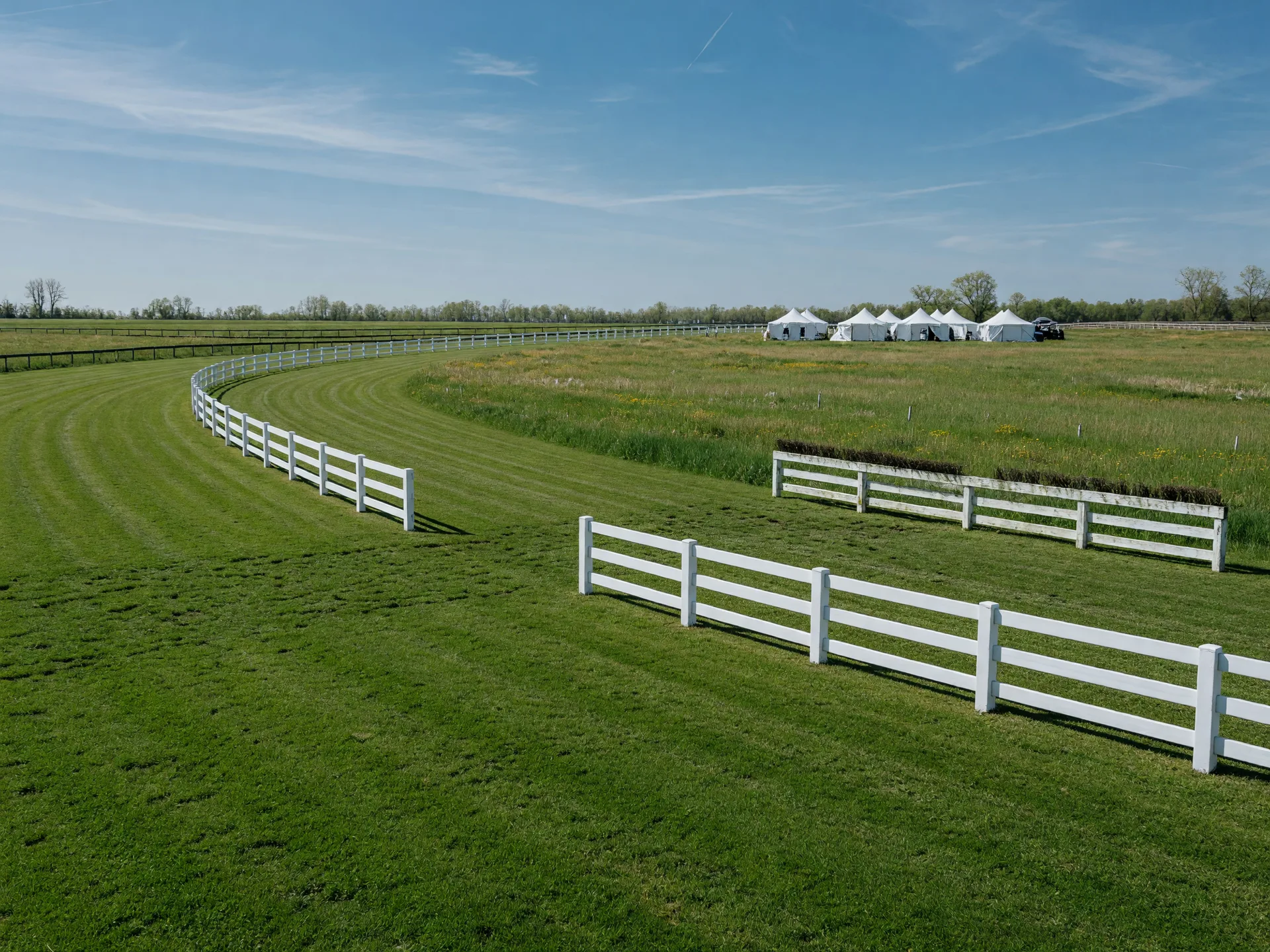
Aiken's equestrian calendar runs most of the year, and the headline events are the ones newcomers hear about first. In March, the Aiken Triple Crown strings together three consecutive Saturdays: the Aiken Trials at the historic training track, the Aiken Spring Steeplechase, and polo at Whitney Field. The Aiken Horse Show has run in the woods for more than a century, and the fall brings its own steeplechase championship. Between the big dates, the year-round events calendar fills with schooling shows, dressage, hunter paces, and the hunt season, so there is almost always something to watch or enter.
That calendar is also one of the strongest reasons people buy property here. Owners who compete want to be close to the venues, and buyers who simply love the culture want to live inside it. The seasonal rhythm, from the spring season to the fall season, is a big part of what makes Aiken feel like a horse town every month of the year, not just on race days.
The lifestyle beyond the barn
What surprises most newcomers is how much of Aiken's everyday life is built around the horse. Downtown streets are walkable and welcoming, restaurants fill with riders after a morning on the trails, and the social calendar, from steeplechase tailgates to polo Sundays, revolves around the equestrian year. The town's creative side celebrates the horse too, with equestrian art, photography, and the painted horse statues that greet you downtown. It is a place where the horse is not a hobby you drive to; it is the center of a whole way of life. My overview of Aiken's equestrian community goes deeper into the clubs, organizations, and gatherings that make that life possible.
What newcomers should know
If you are considering a move, a few things are worth knowing before you look at properties. First, the seasons here follow the horses: the town is quietest in summer and busiest from fall through spring, when the Winter Colony arrives. Second, zoning matters: the historic Horse District protects the equestrian character of the in-town neighborhoods, while county districts offer larger rural parcels, and the right fit depends on how you keep your horses. Third, the property market rewards patience and local knowledge, because value is tied to trail access, barn quality, and proximity to venues, not just acreage.
For a full picture of what the move involves, my complete relocation guide for horse owners walks through the practical steps, and the free Aiken horse property checklist will help you compare farms once you start touring. Aiken earned its reputation as a horse town the slow way, over more than a century of training, racing, polo, and trail riding, and that reputation is exactly what makes it such a remarkable place to live with horses today.
Let me help you find the Aiken property that fits the life you are dreaming of.
I know which neighborhoods put you closest to the trails, which farms are built for the way you keep horses, and what the market is doing right now. Tell me about your horses and your plans, and I will match you with the right properties.
Schedule a Consultation